Getting to Santa Ana
I started my journey by flying into the El Salvador International Airport (SAL), located about 45 minutes outside of San Salvador, the capital city. All international flights into El Salvador arrive at this airport, and it will likely be your starting point regardless of where you're headed in the country. With only 10 days in the country, I decided to skip San Salvador and head directly to Santa Ana, the second largest city in the country.
Here's how to make the journey...
- Rent a car - Salvadorans are generally safe drivers and the roads are good, but watch out for large chicken buses! The journey from the airport to Santa Ana should only take 1.5 hours
- Bus - You can take a bus with a transfer in San Salvador (detailed guide here), with the total journey taking about 2 hours
- Rideshare - Popular ridesharing apps like Uber and inDrive are widely available throughout El Salvador, especially in larger cities, making it a convenient option if you're short on time
- Tourist shuttle from Guatemala or Honduras - Santa Ana is also connected by tourist shuttles from Guatemala (Antigua, Lake Atitlán & El Paredon) and Honduras (Copan Ruinas) so it is a popular first stop in El Salvador for many backpackers
The Many Day Trips of Santa Ana
Santa Ana is a great base for day trips in the surrounding area with options ranging from volcanos, crater lake, hotspring waterfalls and Mayan ruins. Here are the top things to do in Santa Ana:
Santa Ana Volcano (Ilamatepec)
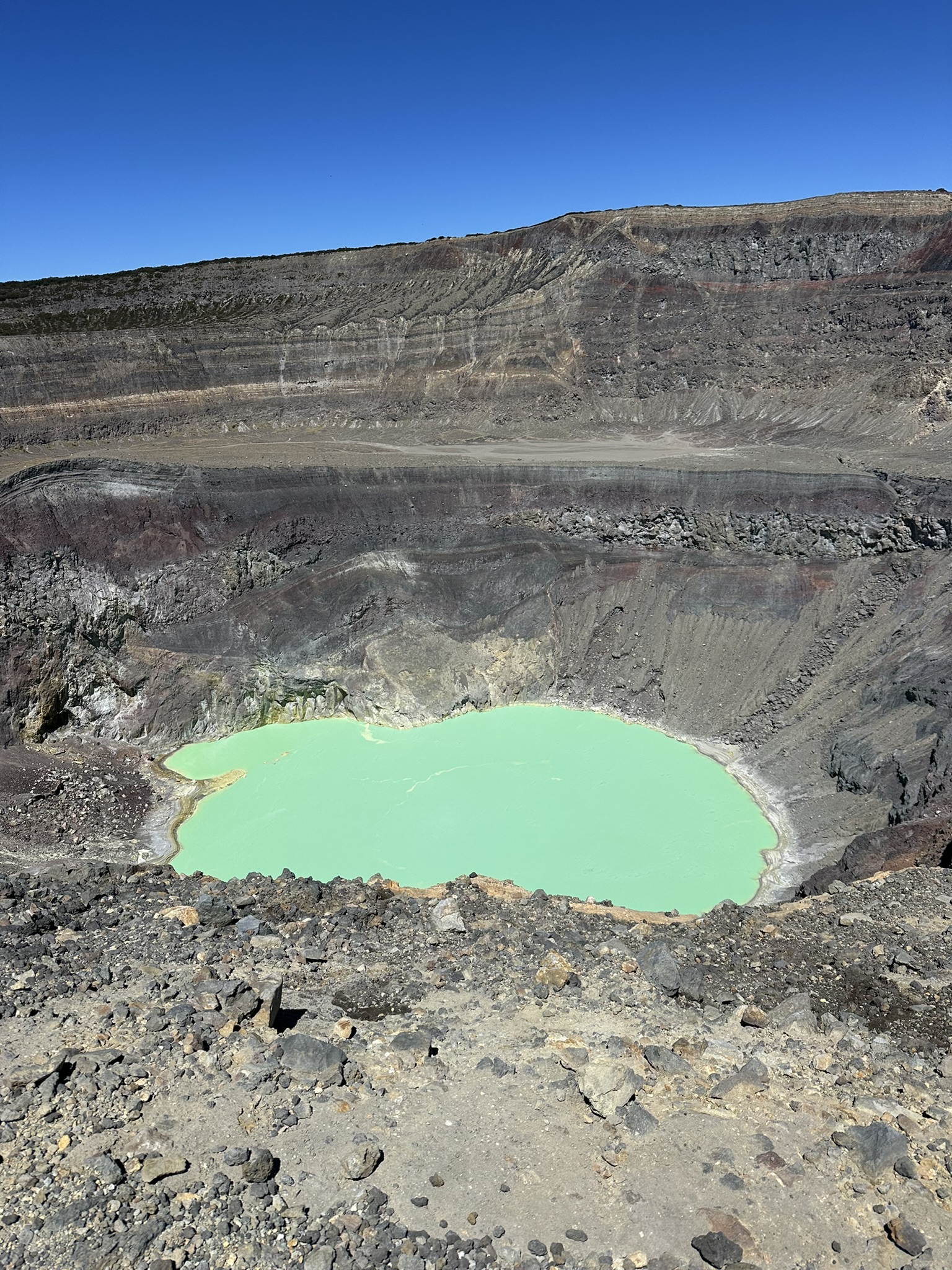
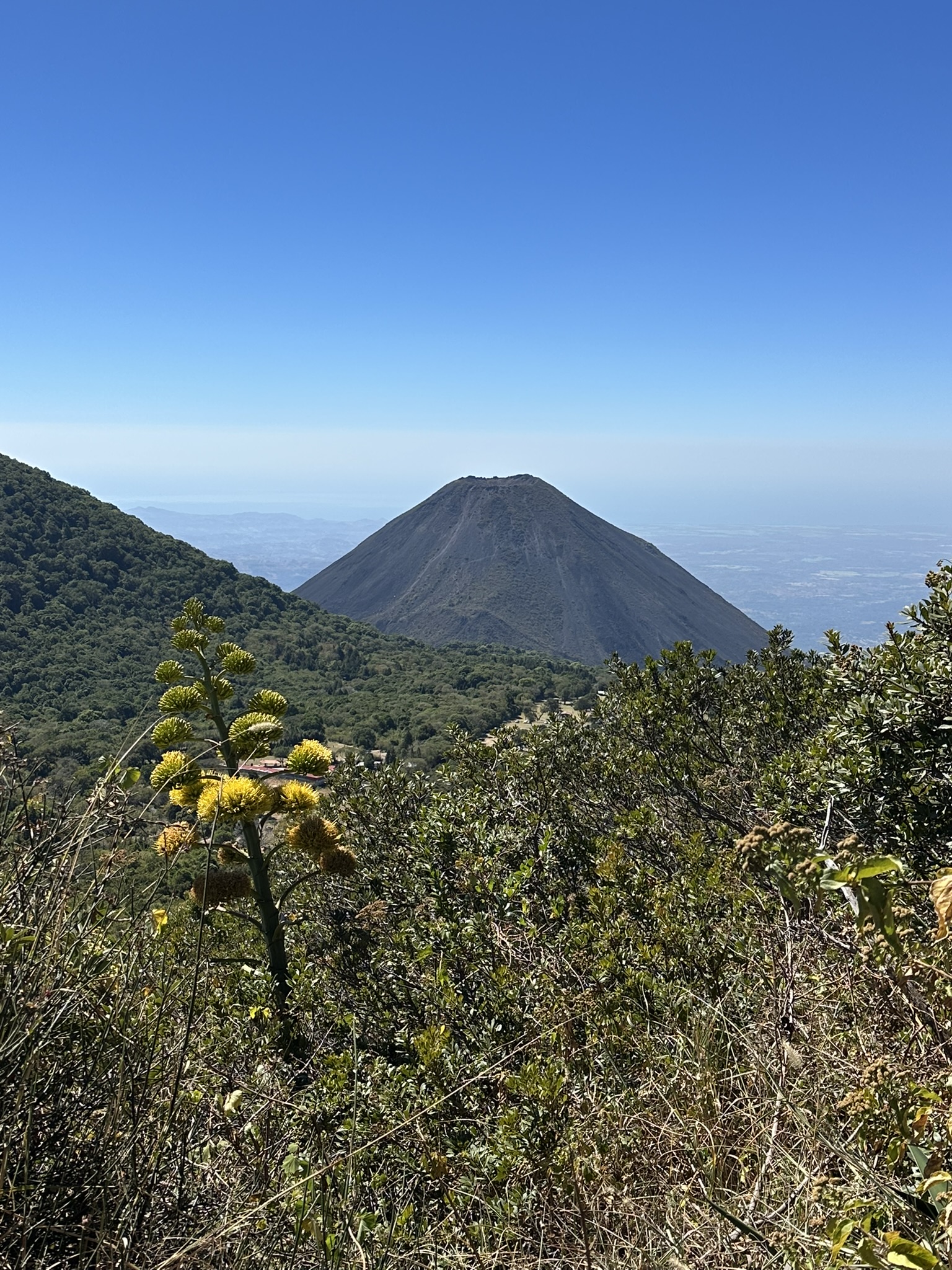
The main reason most people come to Santa Ana is the famous volcano hike. The Santa Ana Volcano, also known as Ilamatepec in the local Nahuatl language, is an active volcano with a vivid turquoise, emerald green volcanic lake in its crater. This bright, often "radioactive-looking" color is caused by high concentrations of sulfur and other volcanic minerals, accompanied by steaming fumaroles. Although Santa Ana is an active volcano, it is generally considered safe to hike since it hasn't erupted since 2005 and authorities are constantly monitoring the volcano.
The hike itself is not particularly challenging and takes approximately 2 hours each way (4.4 mi or 7.1 km). However, for safety reasons, the government of El Salvador requires you to be accompanied by a goverment-sponsored guide while hiking up the volcano. It costs only $4 per person and hiking guides only depart at specific times during the day. I highly recommend doing this hike! It is a truly unique volcano experience that is hard to find elsewhere. Here are a few ways to do it:
- Book a tour — this is the easiest way to do the Santa Ana Volcano hike and usually comes bundled with a trip to Lago de Coatepeque (more on that later). I booked a tour through my hostel which costs $20 and it was well worth it not having to worry about logistics. I'm sure there were more luxury tour options, but riding in the back of a pickup truck felt like a quintessential El Salvador experience. If you're not based in Santa Ana, there are also some tour options (link here) with pickup from San Salvador and El Tunco
- DIY — less than an hour outside of Santa Ana, you can easily access the Santa Ana volcano by car, public transit, Uber or taxi. Keep in mind that you still need to be accompanied by a government approved guide to hike the volcano. They only leave a specific times during the day so make sure to plan in advance. Here is a link to a detailed guide with more logistical details on doing the hike independently.
Lago de Coatepeque
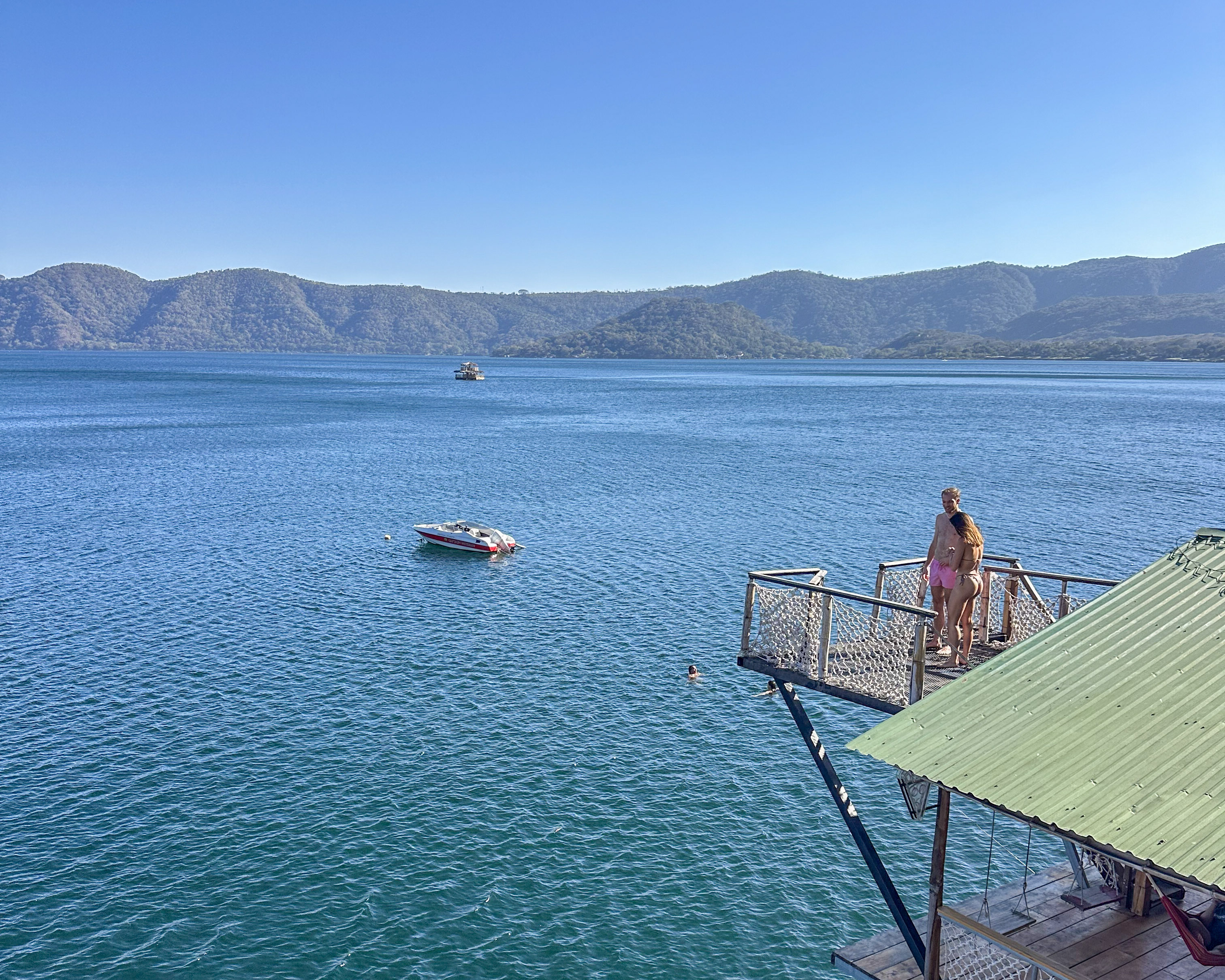
Lago de Coatepeque is a deep blue crater lake that lies only 45 minutes from the city center of Santa Ana. Accessible by Uber or local bus (take the #242 / #220 bus from Terminal Francisco Lara Pineda), the lake is a great place to spend an afternoon relaxing or enjoying watersports like jet skiing, kayaking and boat rentals. It is also possible to combine this with the Santa Ana volcano hike, as this was also included as a stop on my tour.
Captain Morgan Hostel, situated on the shores of Lake Coatepeque, is a popular place for local and foreign tourists to spend time. Offering a day pass, boat rentals and a restaurant & bar, it is a fun, relaxing place to swim around and spend an afternoon. It even has a deck to jump off of! If you're looking to spend a night, the hostel is also a popular spot for backpackers looking to extend their stay.
El Salto de Malacatiupán
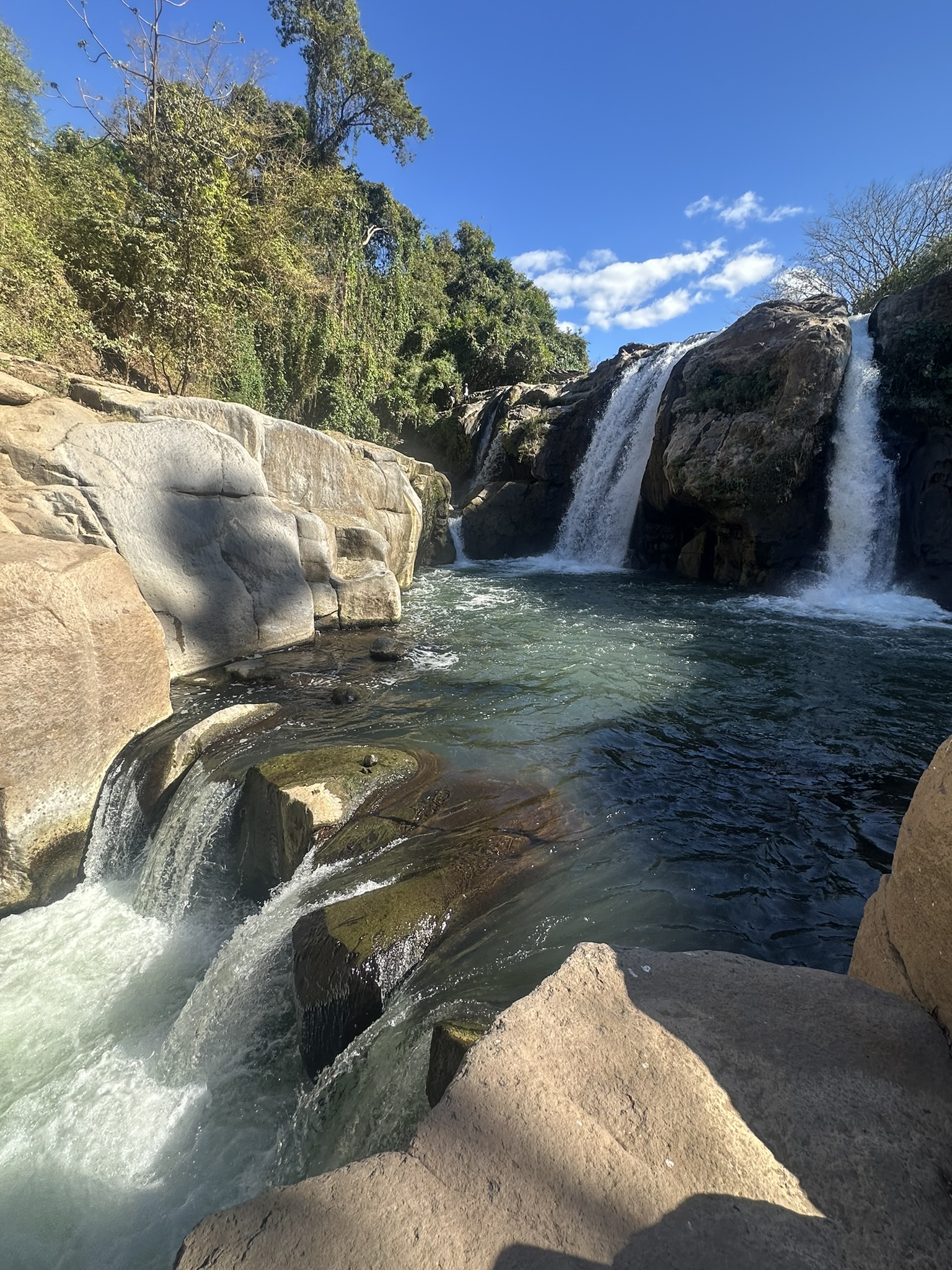
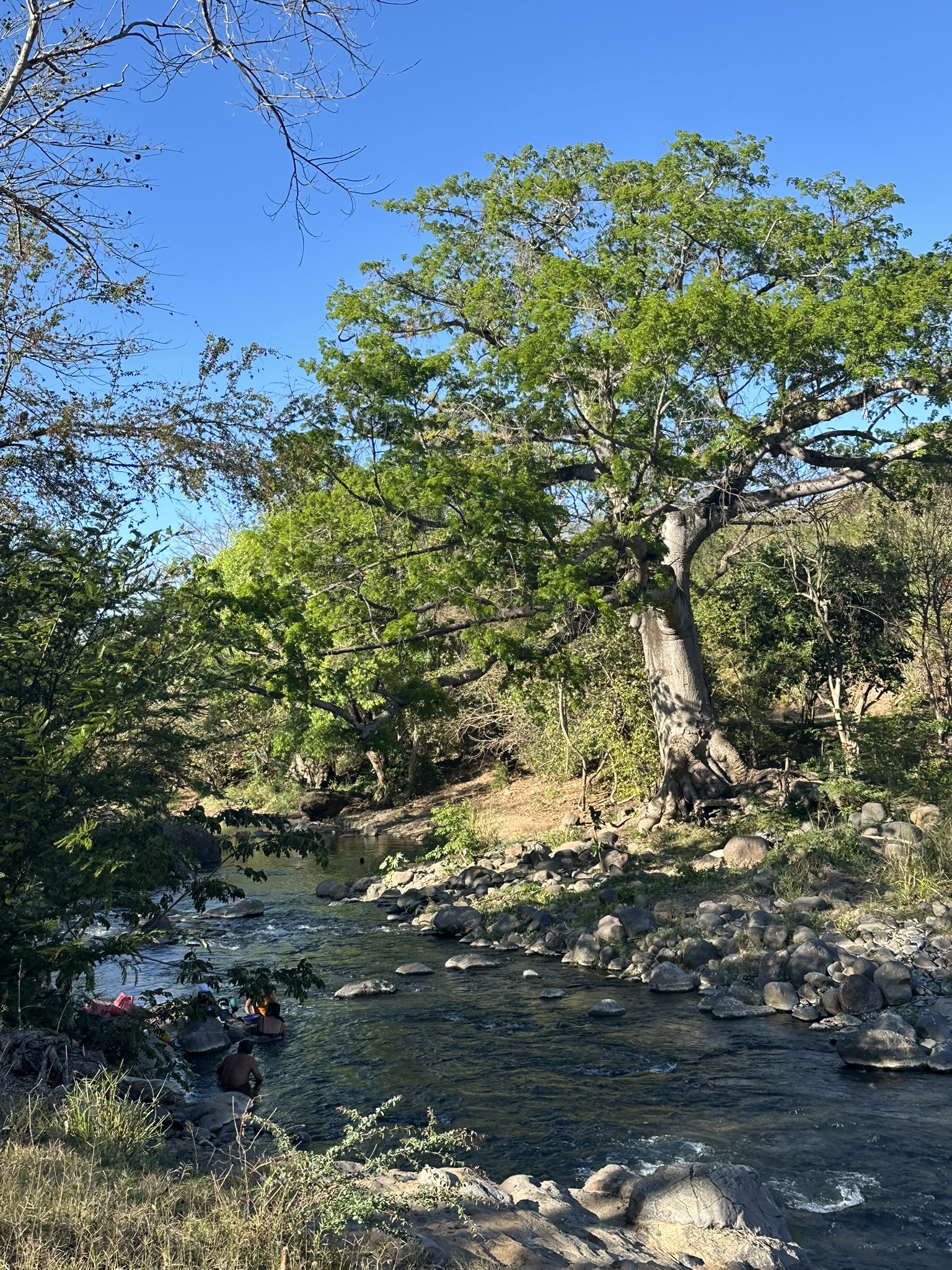
Hotsprings + waterfalls - ¿por que no los dos?
With a water temperature of 100°F (or 37°C), El Salto de Malacatiupán is a stunning waterfall with a river flowing through it that feels like a natural jacuzzi. There are no official tours leading to the waterfalls and not many tourists know about them, making them an undiscovered gem in the region. The hotspring waterfalls are a unique phenomenon that I only experienced in El Salvador and are highly worth the trip.
Located near the border with Guatemala, the waterfalls lie about an hour outside of Santa Ana or the town of Juayua and are easily accessible by local bus, car, Uber or moped. The trip can be done in a half day including transport. The waterfalls are at the end of a dirt road with a small restaurant at the entrance. The entrance fee was only $1.50 and collected by a local security guard.
The water is true jacuzzi temperature! There were not many other people when I was there, just some locals washing clothes down the river. The waterfalls were also surrounded by a lush green forest which made it very serene and relaxing.
Parque Arqueológico Tazumal
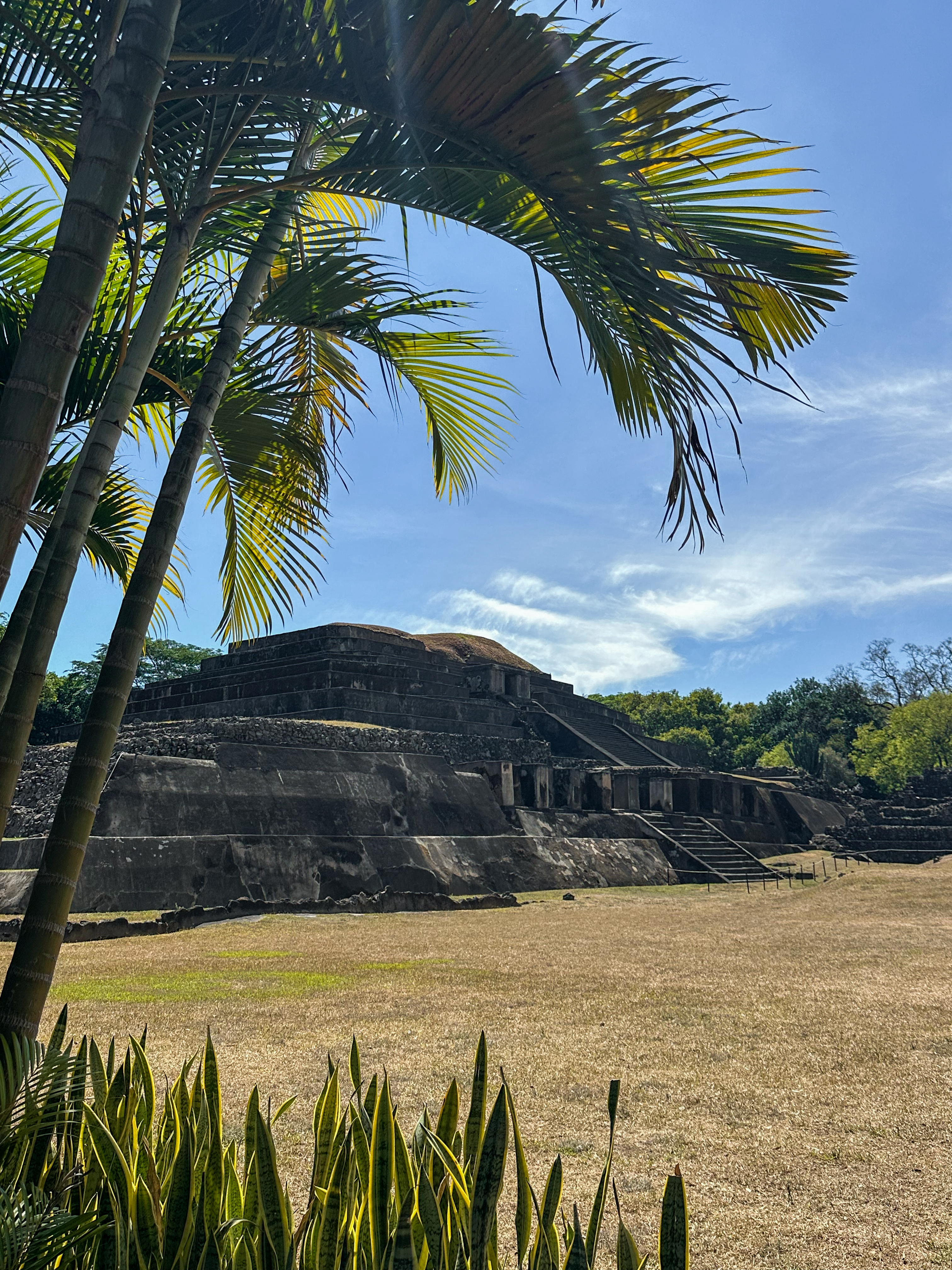
Located in the neighboring town only 30 minutes outside of Santa Ana, El Parque Arqueológico Tazumal hosts the ancient Mayan city of Chalchuapa. First inhabited by the Maya in 250 A.D., it was later occupied by the Toltec civilization until 1,200 A.D. Today, it stands as the largest set of Mayan ruins in El Salvador. The complex is relatively large with a massive pyramid in the center (and you might even spot some iguanas running around!)
You can easily access this Mayan archaeological site by taking the 202 bus out of Santa Ana or an Uber for around $7. The entrance fee was $5 for international visitors. There are tours offered in both Spanish and English for those who want more historical context and there is a small museum with some historical artifacts. The site is easily visited in an hour or so. Casa Blanca, another ancient Mayan site, lies within a short walk from Tazumal in the same town.
Santa Ana — The City Itself
Santa Ana is the second largest city in El Salvador with a rich cultural history shaping the northern part of the country. The city itself isn't very touristy and all the key sites can easily be explored in 1 day. Here are the top things to do in the city:
Parque Libertad
The central square of Santa Ana, dates back to the colonial period and has served as a marketplace, a venue for political events, and a gathering place for locals throughout its history. Today, it is home to many of the historic and regional government buildings. Most of the main tourist sights in the city are conveniently centered around here.
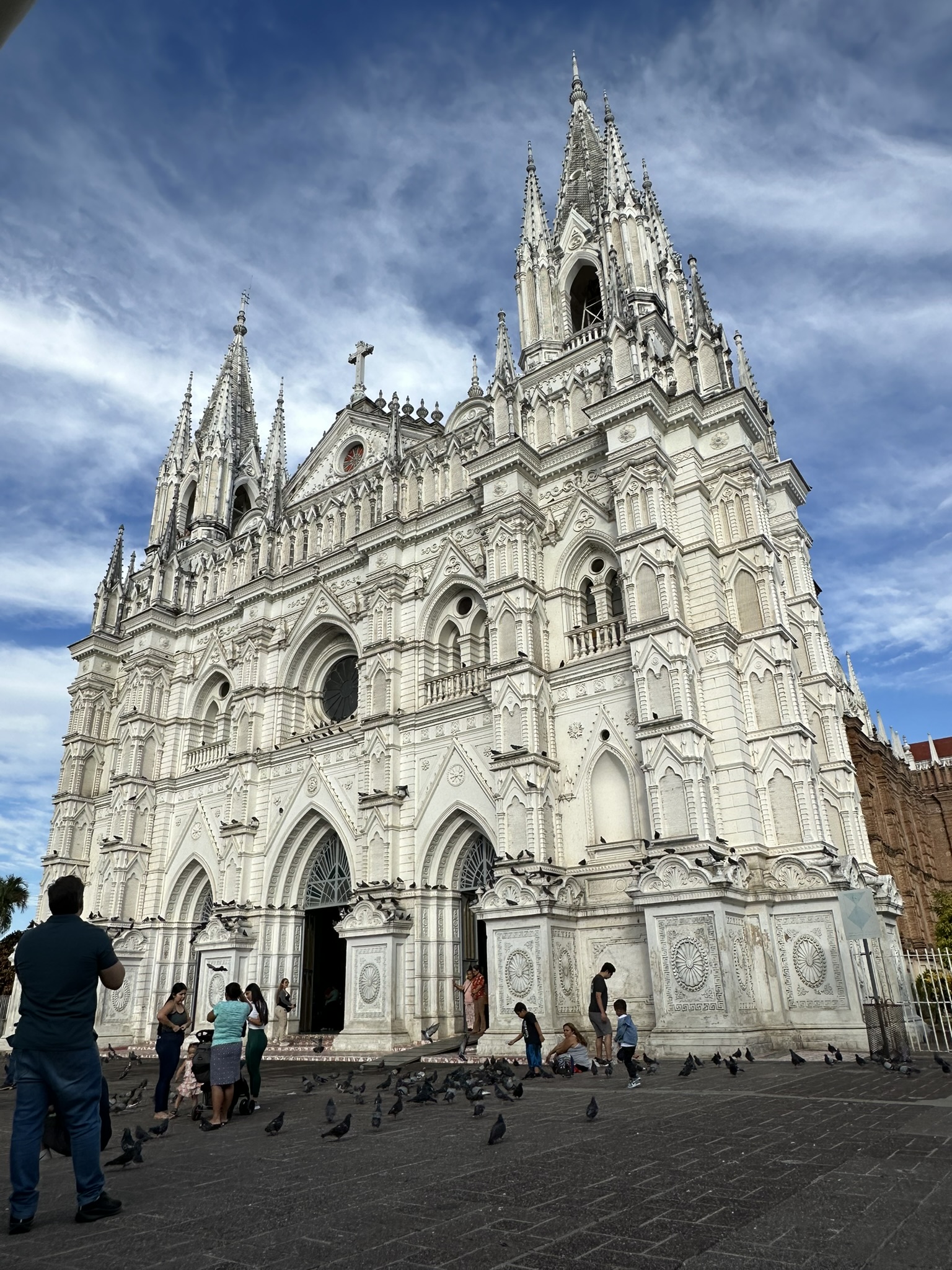
- Catedral de Nuestra Señora Santa Ana (Santa Ana Cathedral) — a beautiful white neo-gothic cathedral originally built in 1575. Its intricate facade makes it the most impressive piece of architecture I saw in El Salvador. It remains the centerpiece for the city and an important public space for locals who often take photos in front of it to commemorate important life events like weddings and graduations
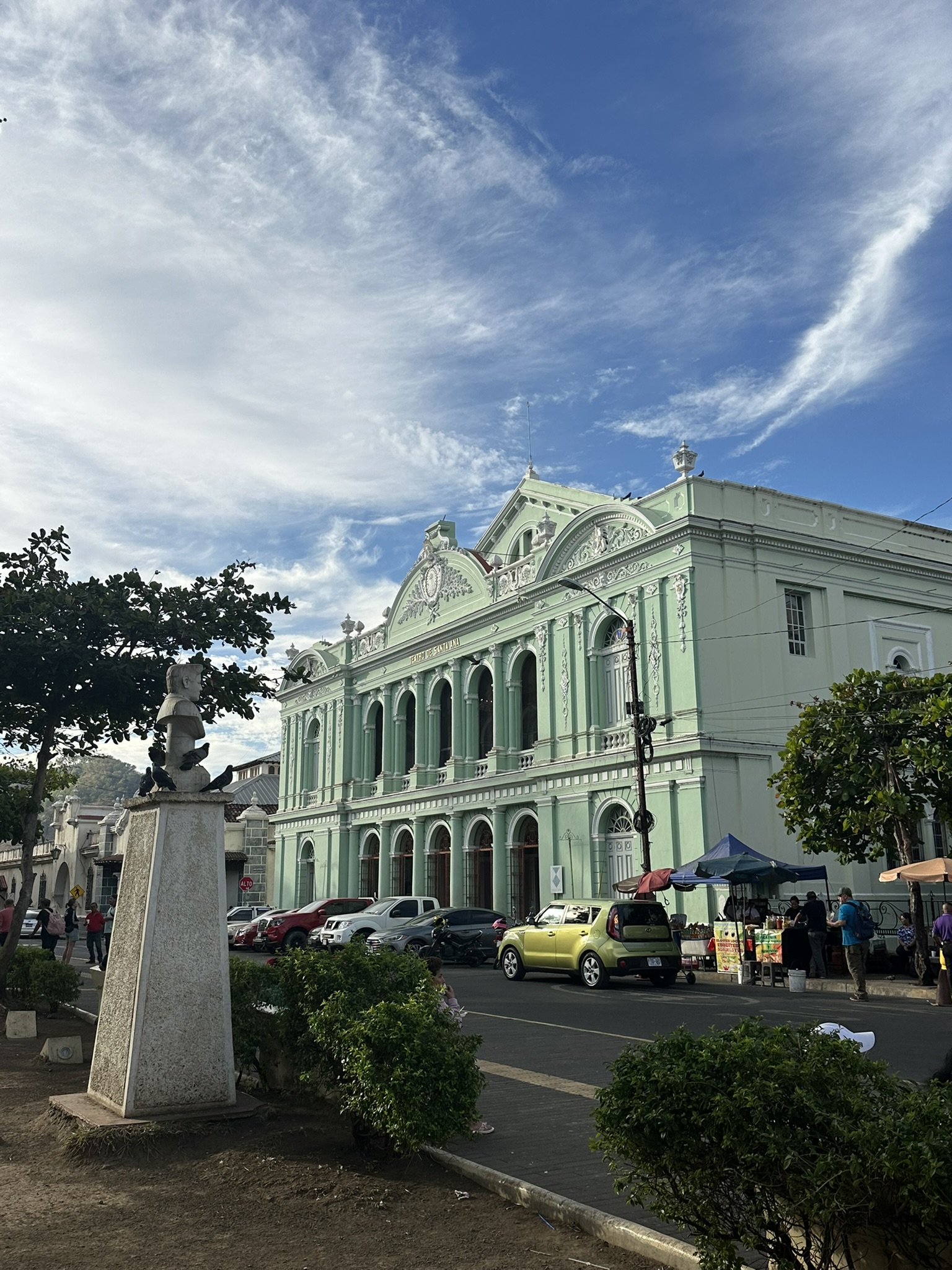
- National Theater of Santa Ana — a historic theater built in 1910 sits only a few hundred meters from the main cathedral. The theater has been very well restored and maintained. To this day, it is used to host national cultural events and open for tours for $5 per person.
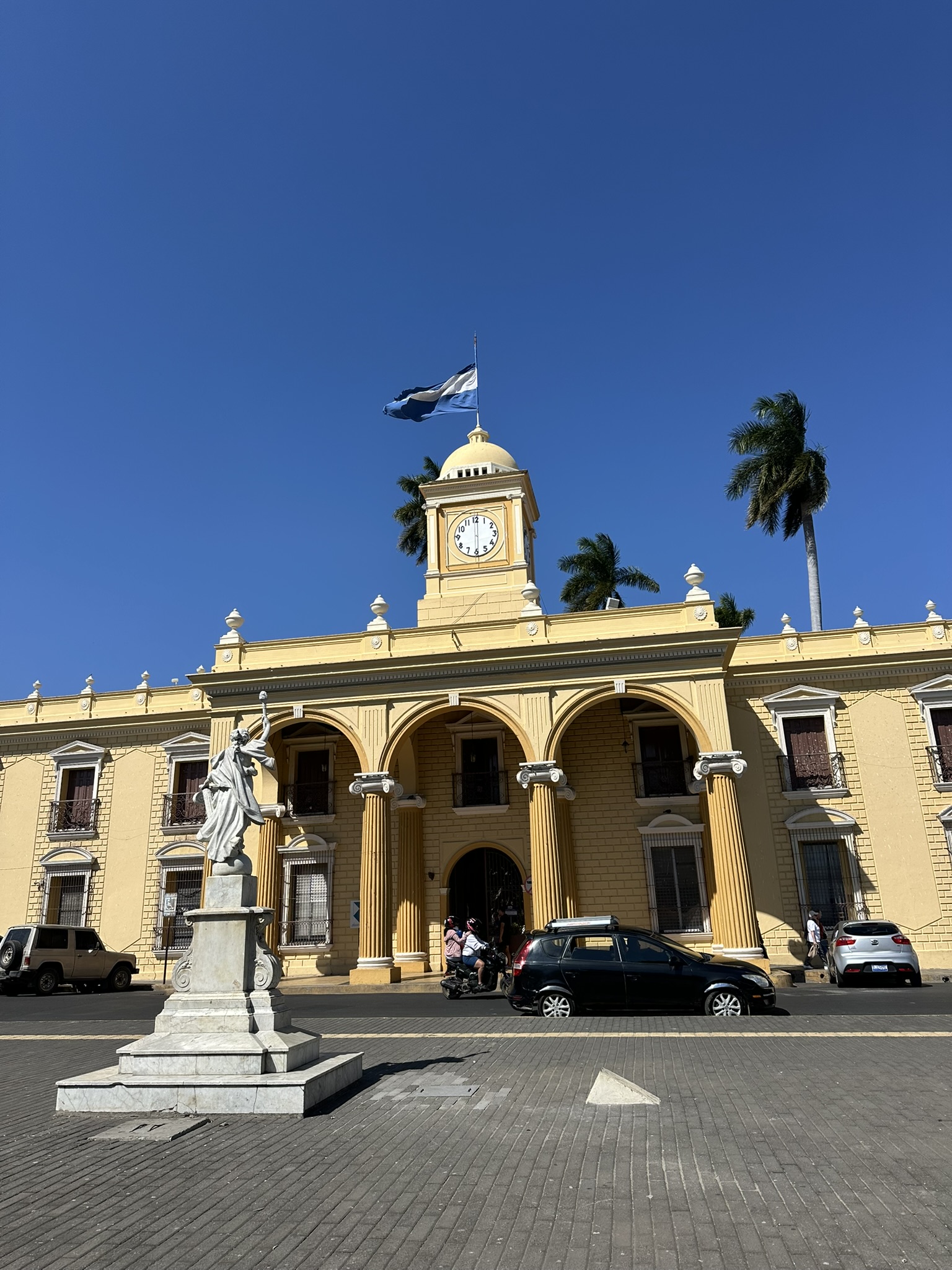
- Alcaldía Municipal de Santa Ana and Monumento a la Libertad — don't miss the Municipal Palace and Monumento a la Libertad that also face onto Parque Libertad. The Municipal Palace currently serves as the local government building and El Monumento a la Libertad is a marble statue in front which is an enduring symbol of the city's spirit and independence
Hector's Walking Tour
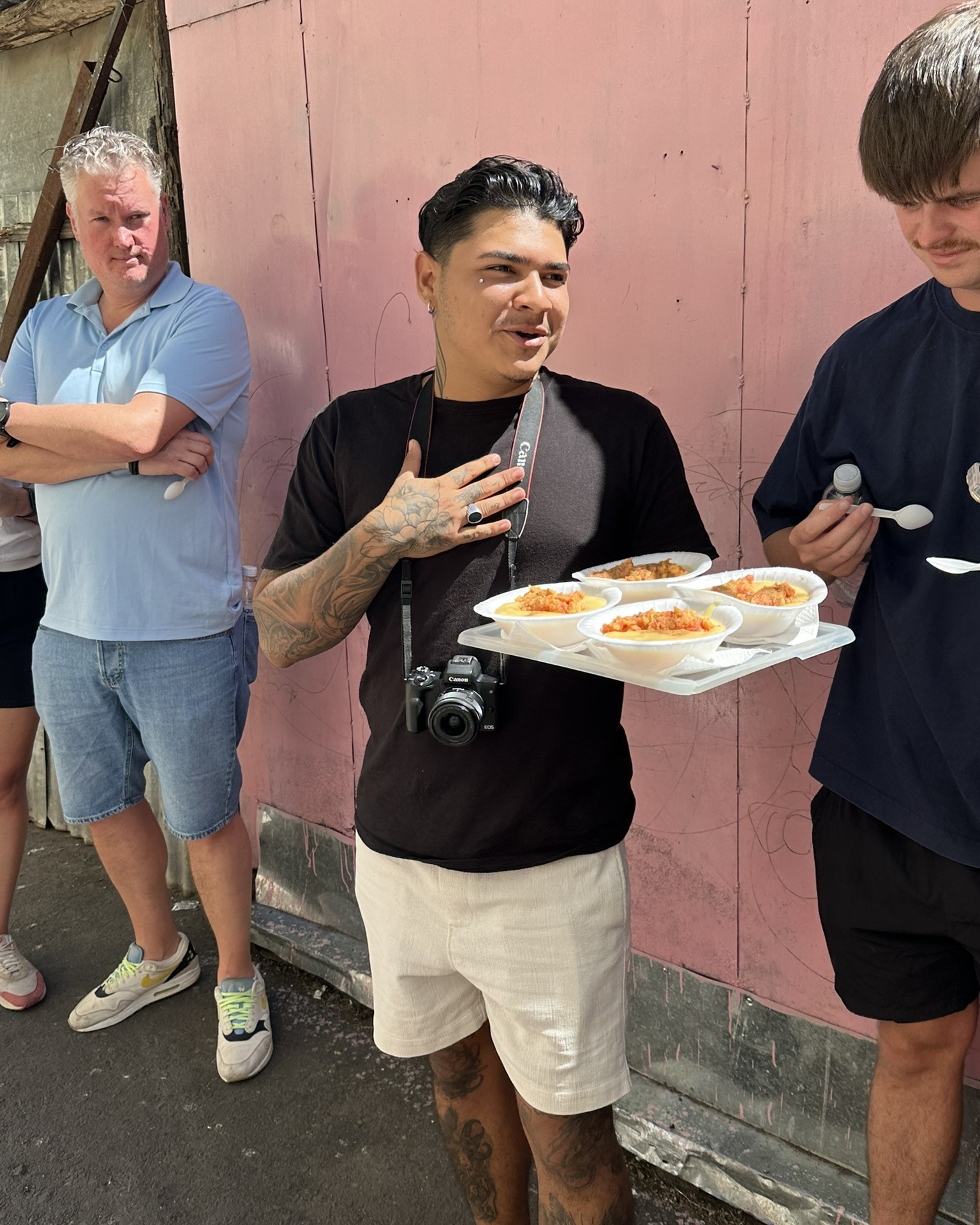
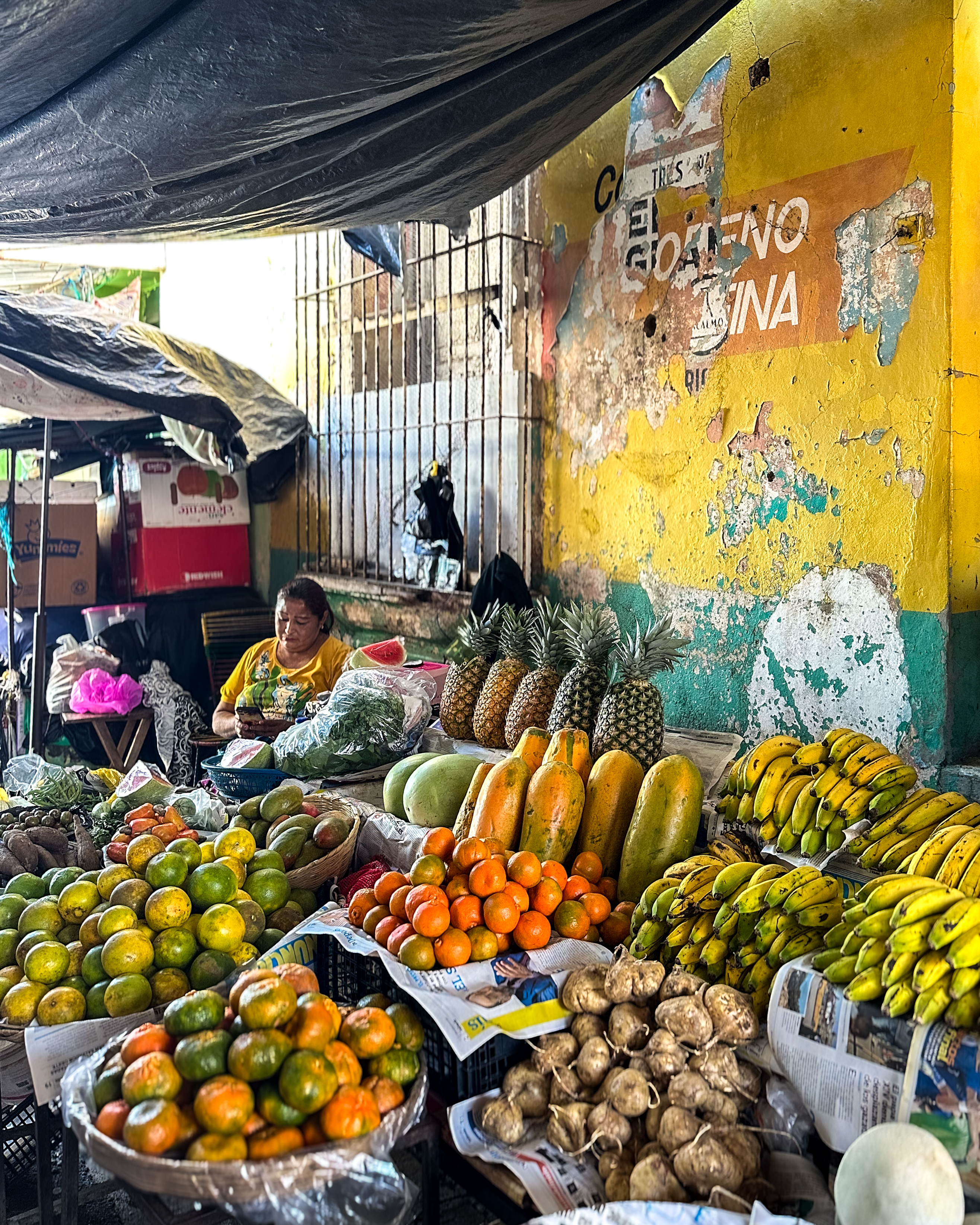
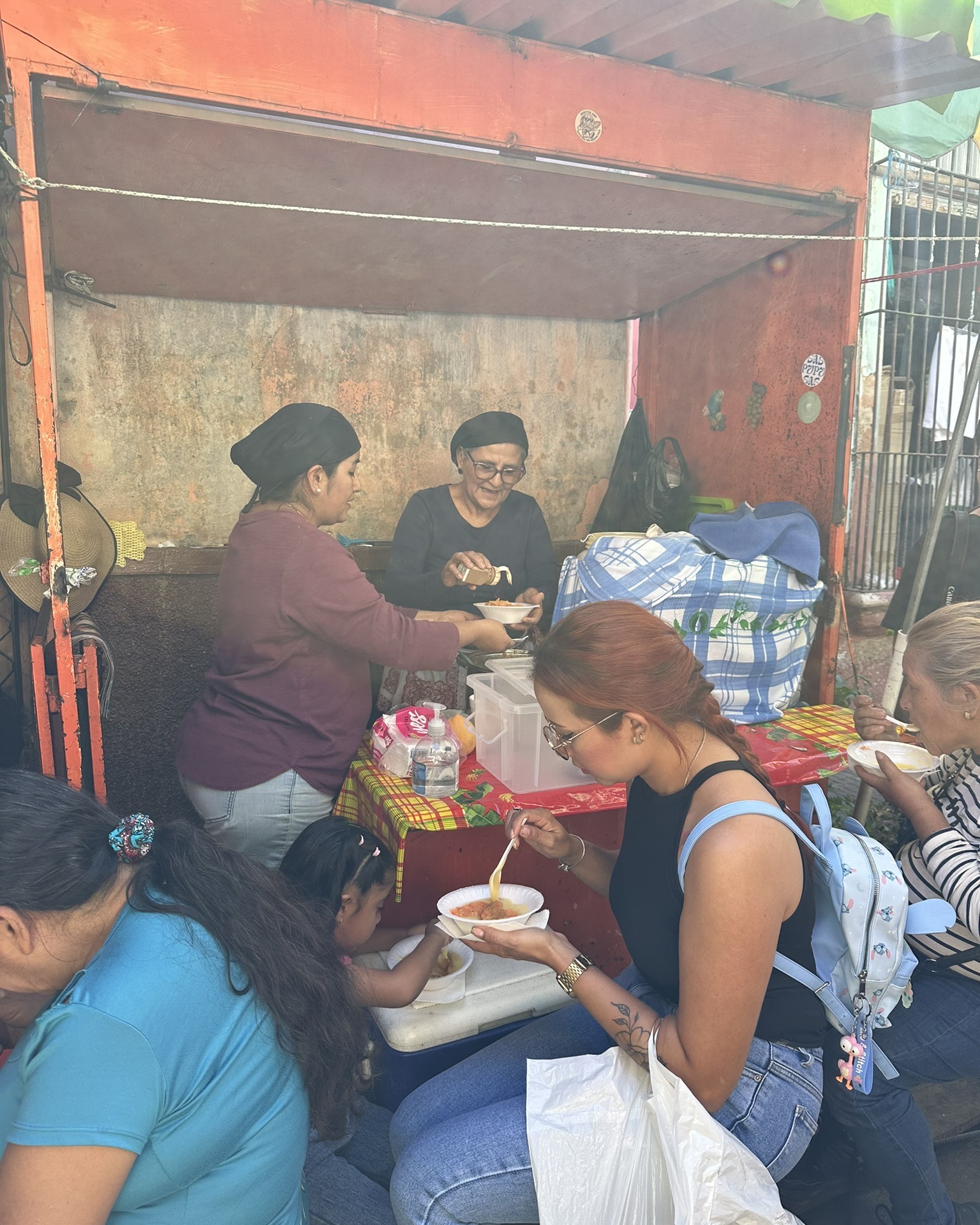
One of my favorite things to do in El Salvador was Hector's Walking Tour. Given all El Salvador's tough history and its rapid transformation into one of the safest countries in the Western hemisphere, I was very interested in learning first-hand from a local about the nation's history and how the country had changed with the heavy-handed crackdown on gangs by Nayib Bukele. Hector was the perfect guide for that. He led an open-ended tour where he lets the group choose what they want to talk about or do. Every day is different, depending on what the group wants to do.
We started at a popular coffee shop called Beats Coffee Centro Historico where we got to have El Salvador's best coffee. He candidly answered every question that our group had about El Salvador. It really opened my eyes to how rough El Salvador's past was with the Civil War in the 1980s and then with gang violence until recently. He described to us how El Salvadorans have adapted to the newfound feeling of safety and the cautiousness he has toward the future. Feeling a bit hungry around lunchtime, he led us to the local open-air market. We tried a number of different local fruits, dishes and desserts, many of which you won't find in a travel guide. The tour is completely tip-based so you can contribute what you like.
Pupusa Making Class at Casa Coco
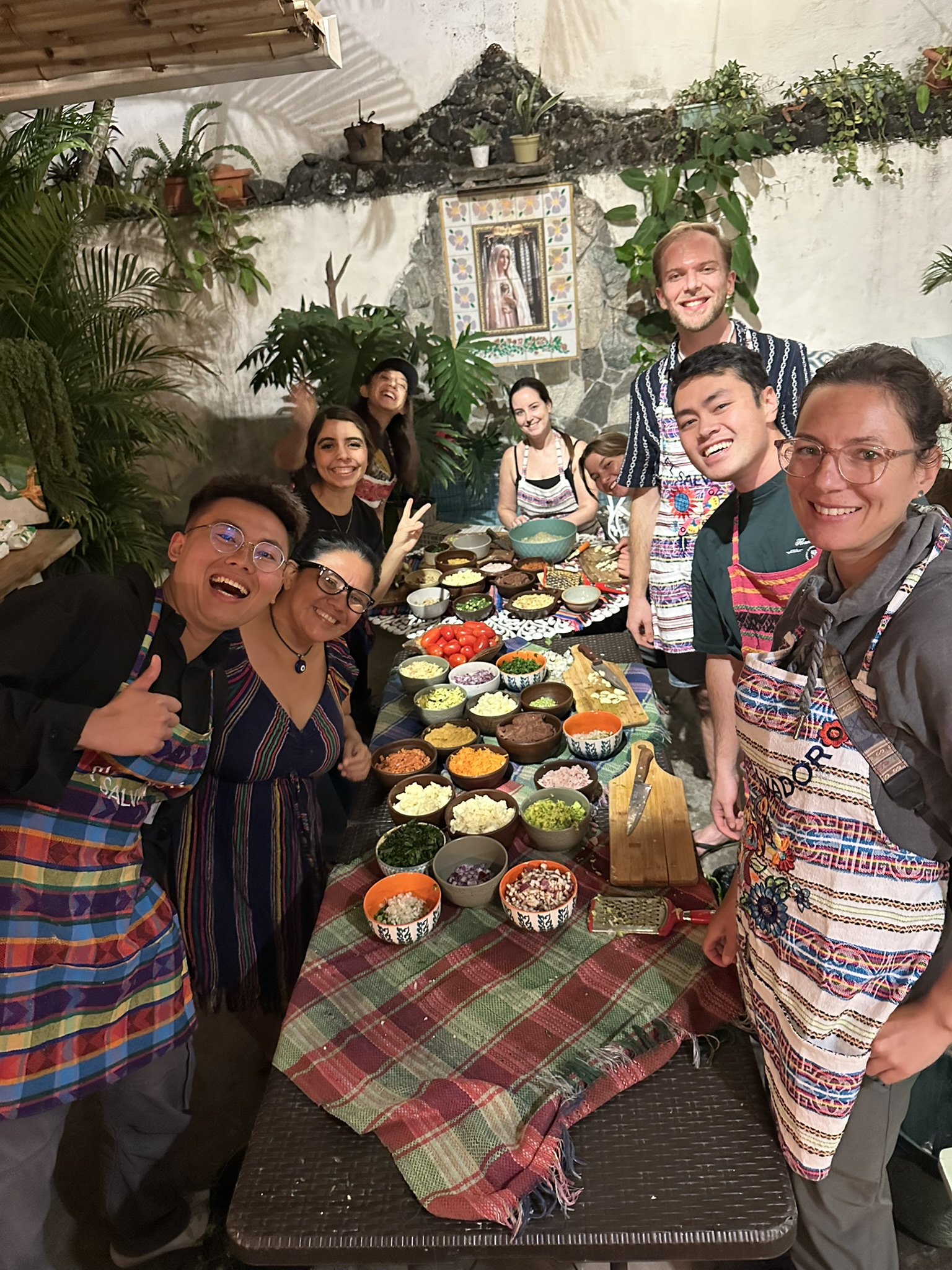
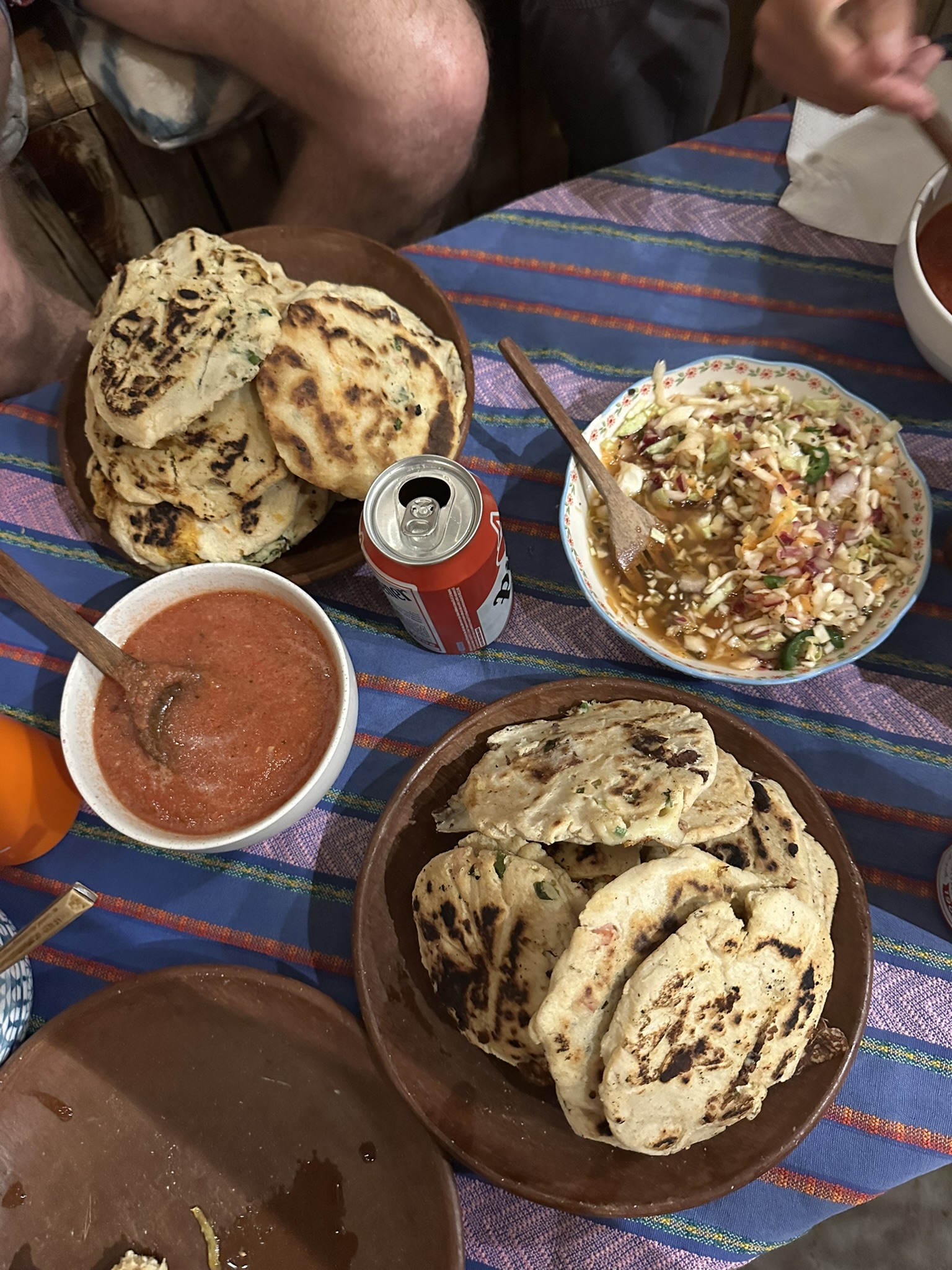
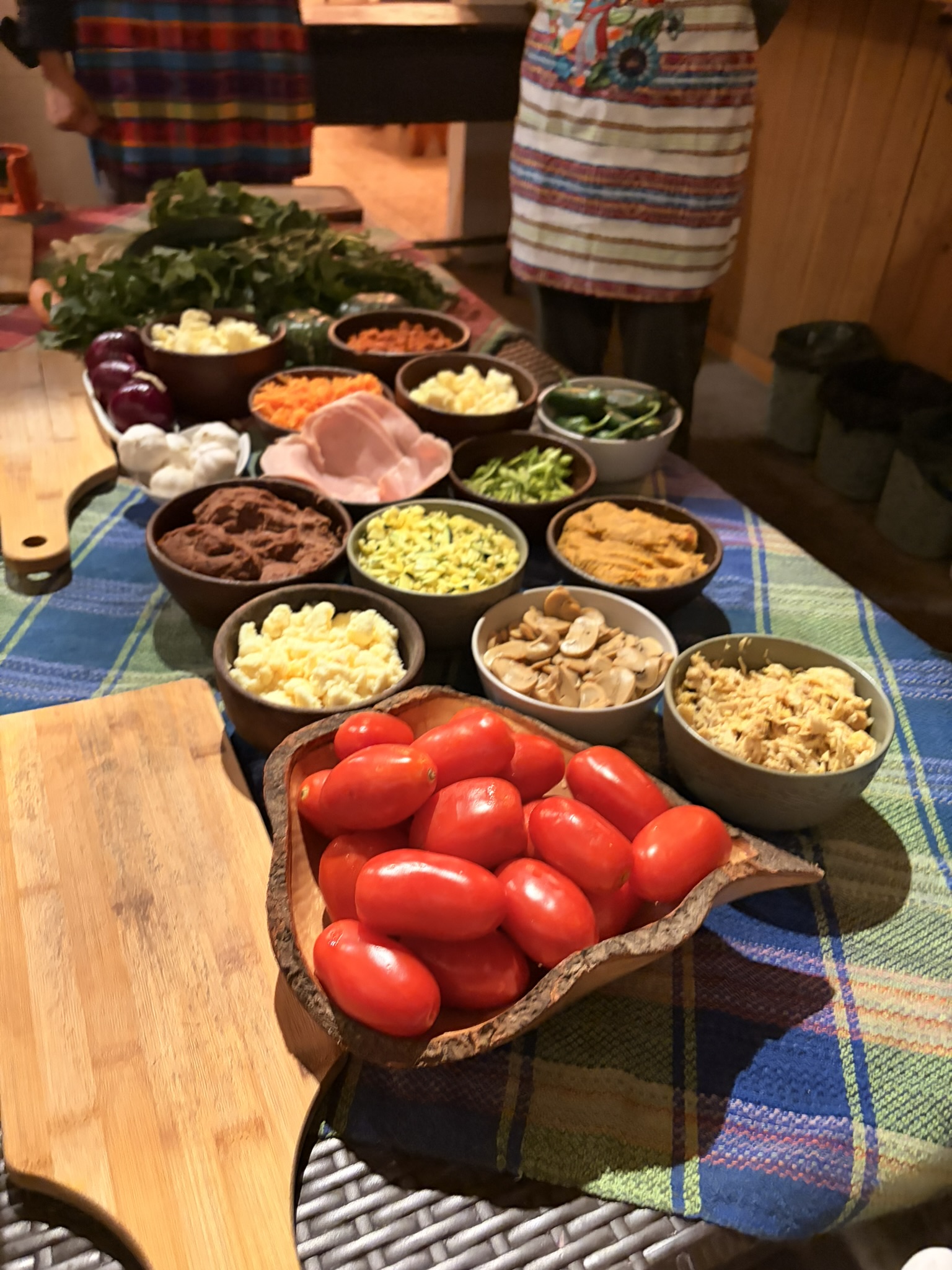
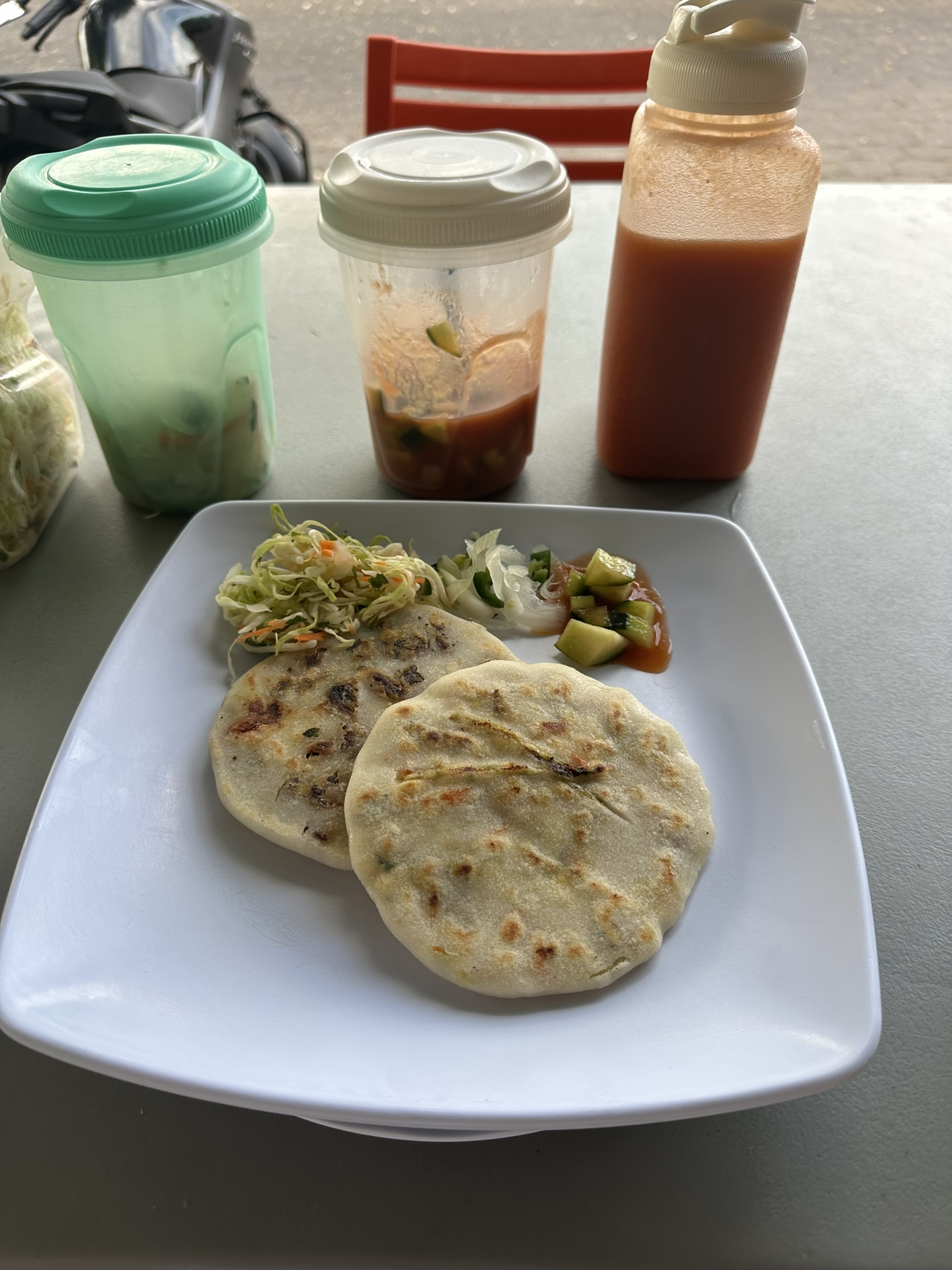
If you're not familiar, Pupusas are the national dish of El Salvador which are thick corn tortillas stuffed with any combination of fillings. The most popular varieties are Revueltas (mixed), which combines refried beans, chicharrón and cheese as well as Loroco, a local edible flower bud mixed with cheese.
I signed up for the Pupusa Making class at my hostel, Casa Coco, and it was so good that I did it twice! Led by the lovely owner of the hostel named Yolanda, we made Pupusas completely from scratch with a wide variety of fillings to choose from.
The class is offered most days of the week (link to sign up here), lasts a few hours in the evening and costs $15. It was a really fun time, complete with music and dancing. As a group of 8, we ended up making over 75 pupusas. Yolanda took another traveler and me to give out our extra pupusas to the homeless.
Museo Regional de Occidente (Western Regional Museum)
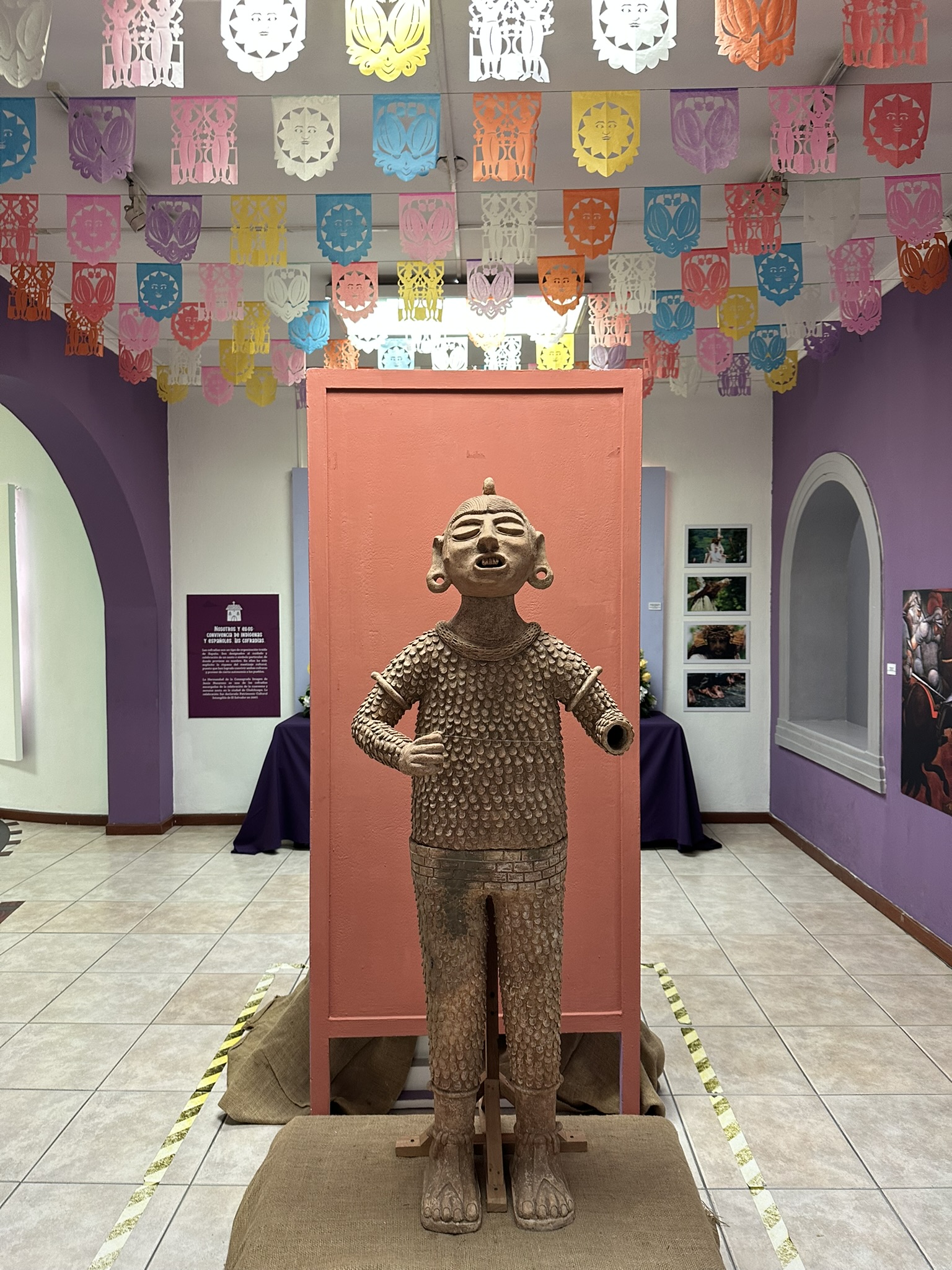
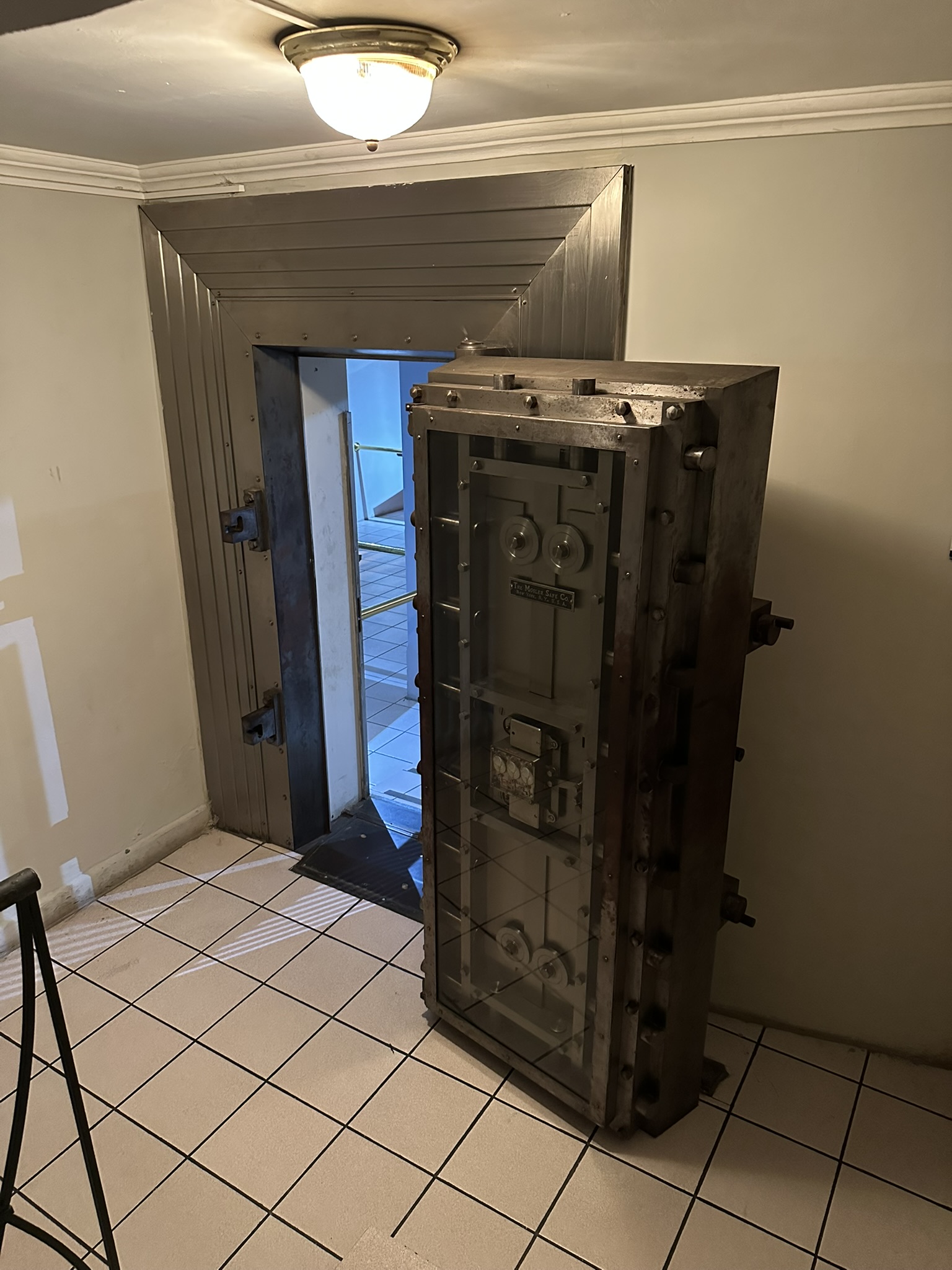
Museo Regional de Occidente is located at the site of the former mint for the Salvadoran Colón before they adopted the U.S. Dollar as their main currency in 2001. It has now been transformed into the main historical museum in Santa Ana. I can't personally recommend the museum for everyone. There were a few ancient artifacts and it explained the history of the Santa Ana region. However, the museum seemed a bit underfunded and the exhibits were all in Spanish (weird in a Spanish speaking country, huh?). If you have an hour to spare, it's worth the $3 entrance fee.
Old Art School
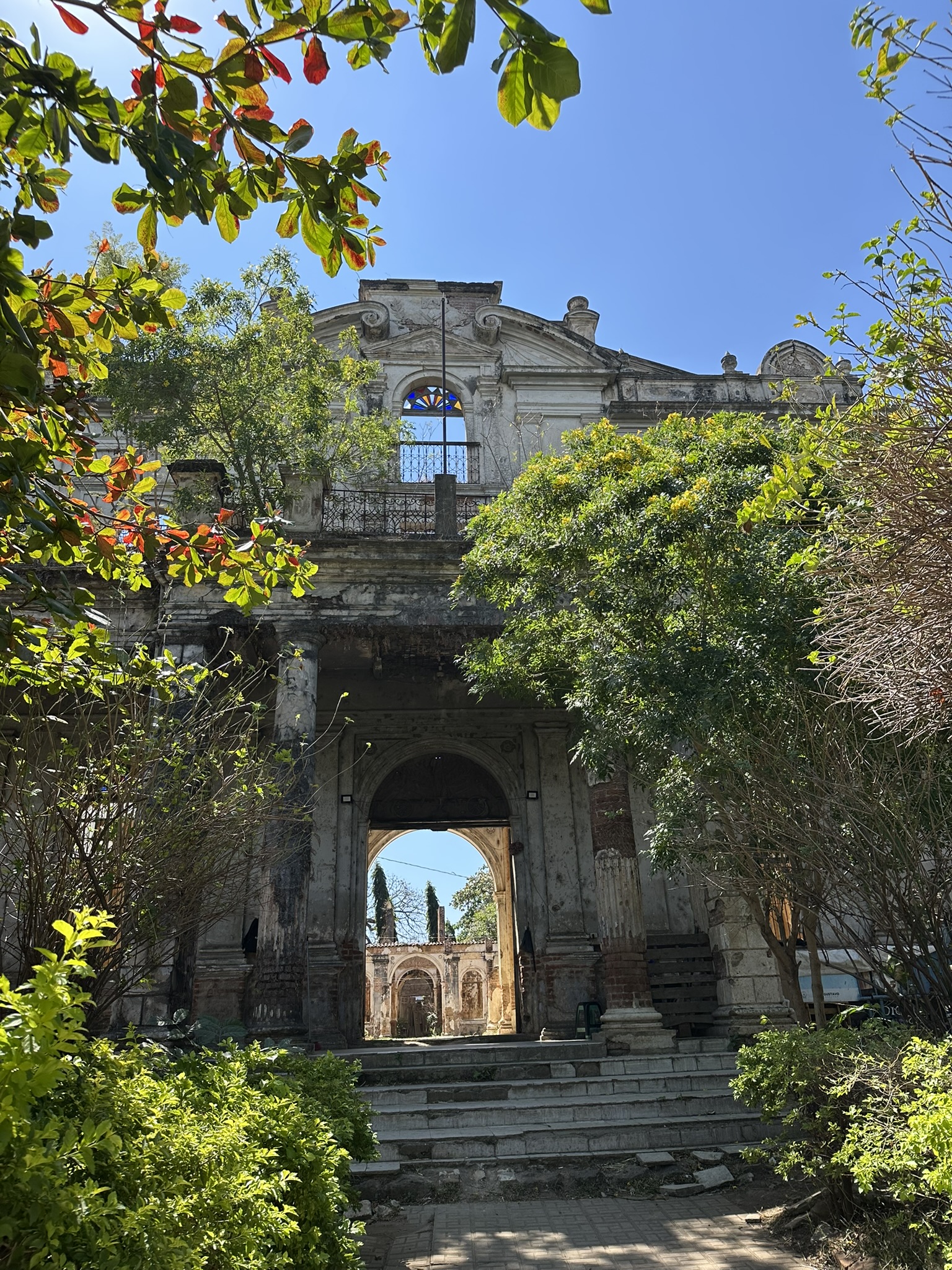
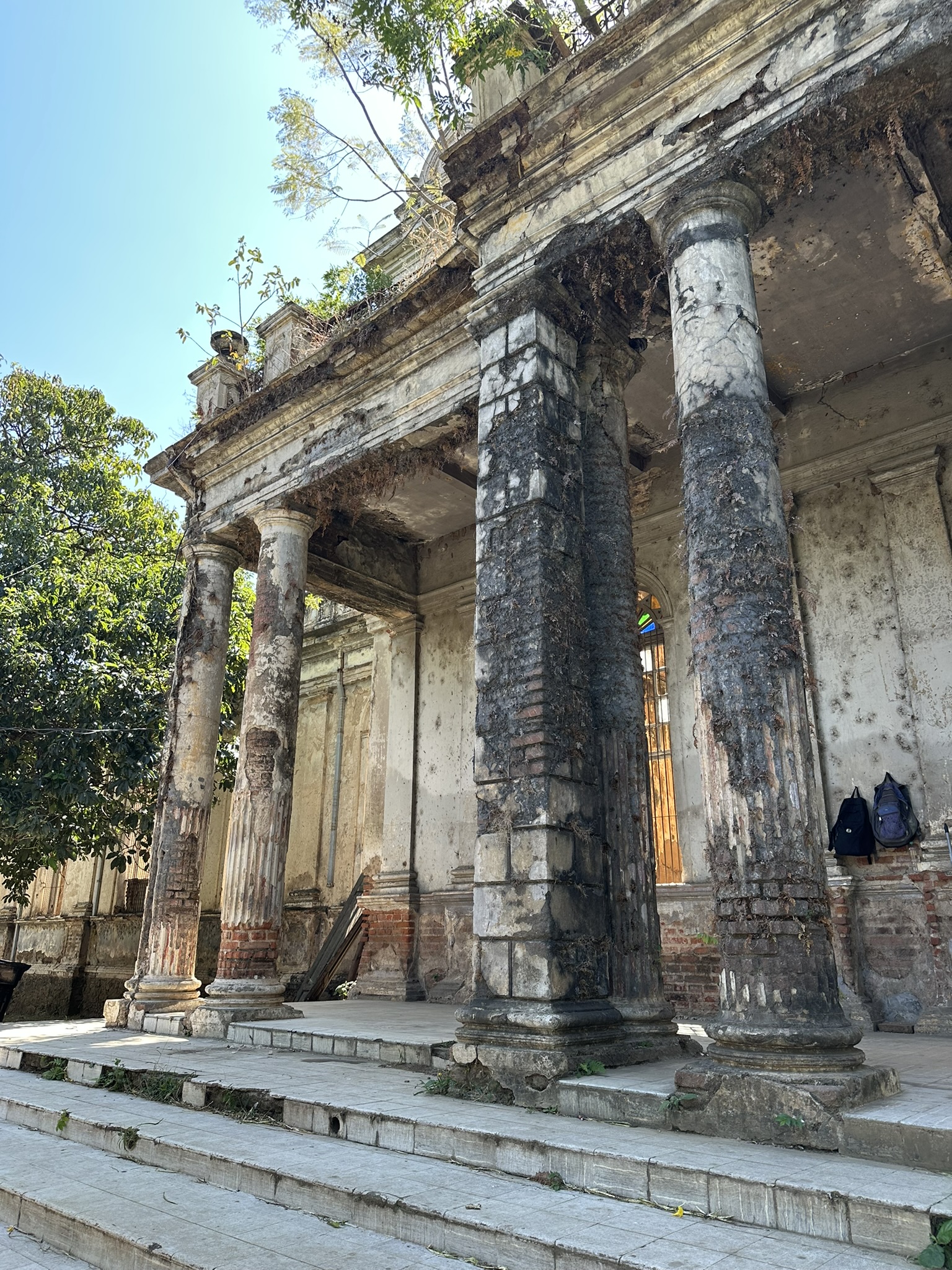
Once the vibrant center of creativity for Santa Ana dating back to 1855, the Mariano Mendez Art School has since been abandoned. Popular with photographers, the art school stands as a reminder of Santa Ana's rich cultural heritage. It is a 20-minute walk from the city center. Learn from my mistake — I showed up without a permit, so I couldn't explore the site itself. A permit is required and must be arranged in advance through the local tourist office in Alcaldía Municipal de Santa Ana (located in Parque Libertad).
Where to Eat!
Breakfast, lunch and dinner — El Salvadorans love their pupusas! You can find them on almost every street corner and I was never disappointed. However, there are many other dishes to try.
Here were some of my favorite places to eat in Santa Ana:
- Pupusería La Ceiba — considered the best pupuseria in Santa Ana! They serve 26 varieties of pupusas so there is no shortage of options to choose from
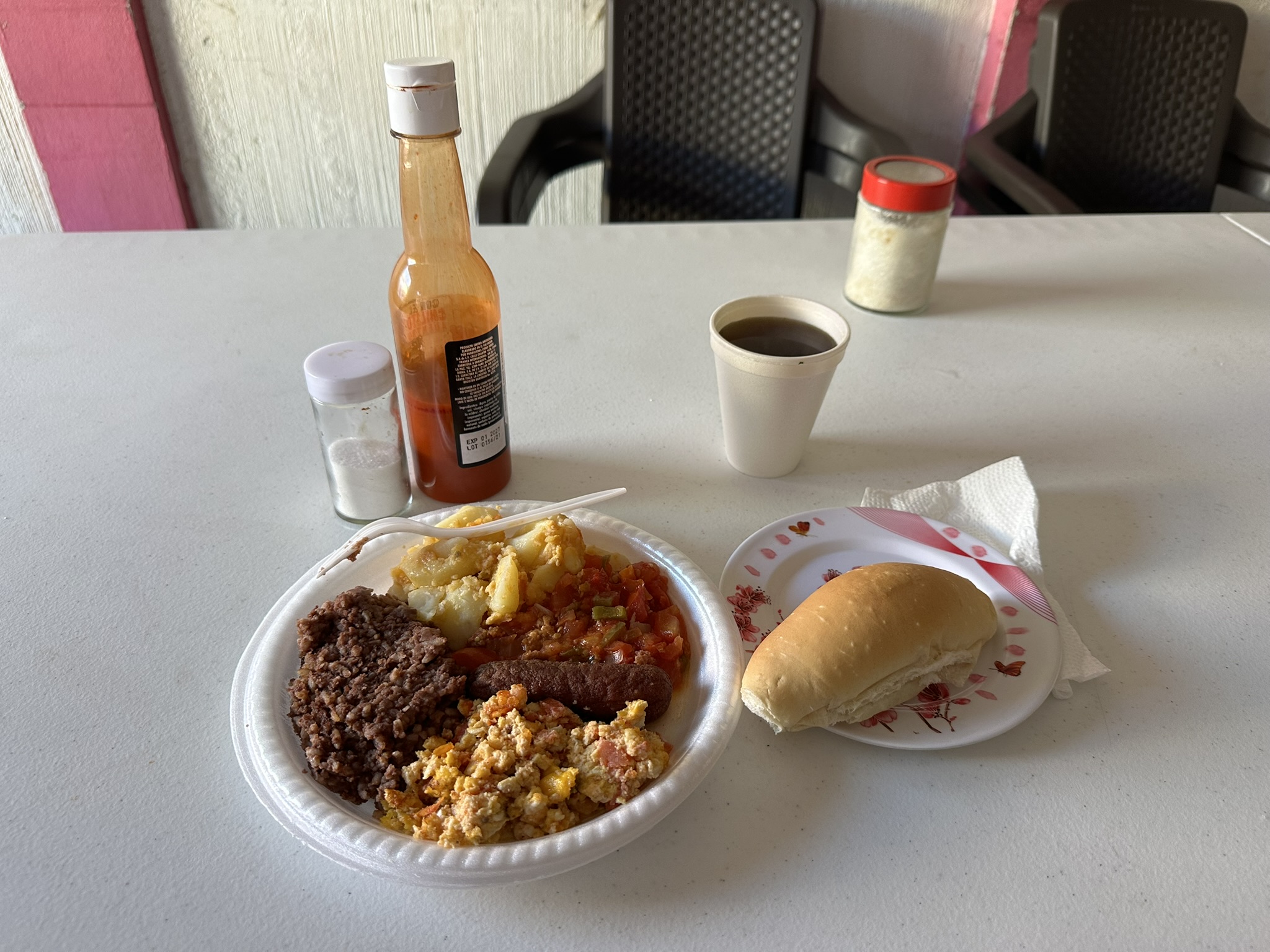
- Comedor y Pupuseria Claudia — a local spot offering a variety of dishes and pupusas. Comedors are popular among locals and are known to be filling, affordable meals
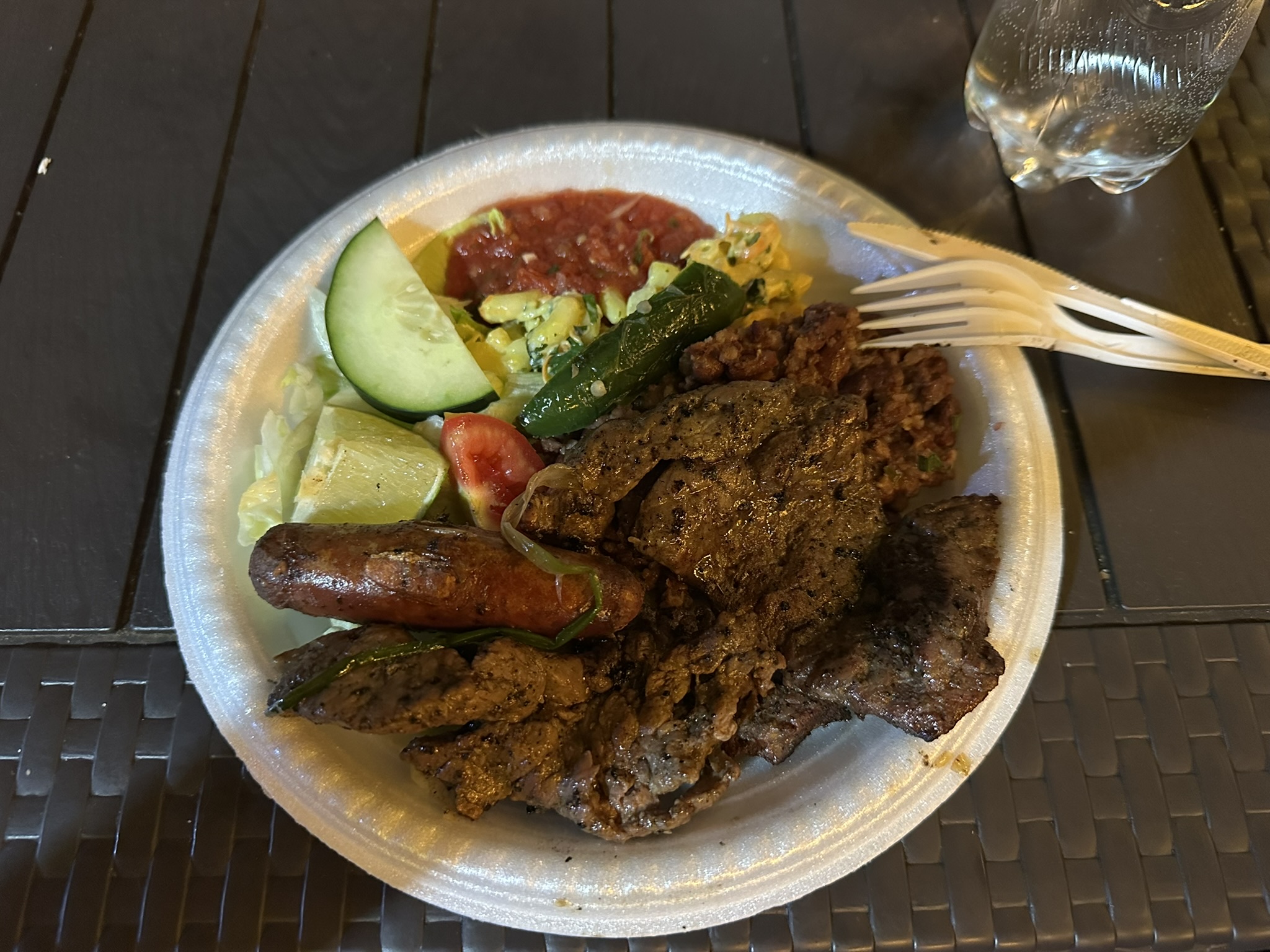
- Azados — a BBQ held every Sunday — it may not look like much on google maps, but this was one of my favorite meals in El Salvador. Every Sunday, a local family hosts an Asado (barbecue in Spanish) and a large plate is only $5
- Beats Coffee Centro Historico — the highest rated coffee shop in the area and home to a nationally recognized barista. This is a great place to sample some of El Salvador's best coffee
- Street Stands around Parque Libertad — If you're feeling a bit adventurous, dine with the locals. There are plenty of different stands to choose from. They are very cheap and there is always at least one open at all hours of the day
Places to Stay
There are many wonderful places to stay in Santa Ana ranging from hostels to luxury hotels. Bear in mind that tourism is still developing in El Salvador, so don't be surprised if some places don't have hot showers!
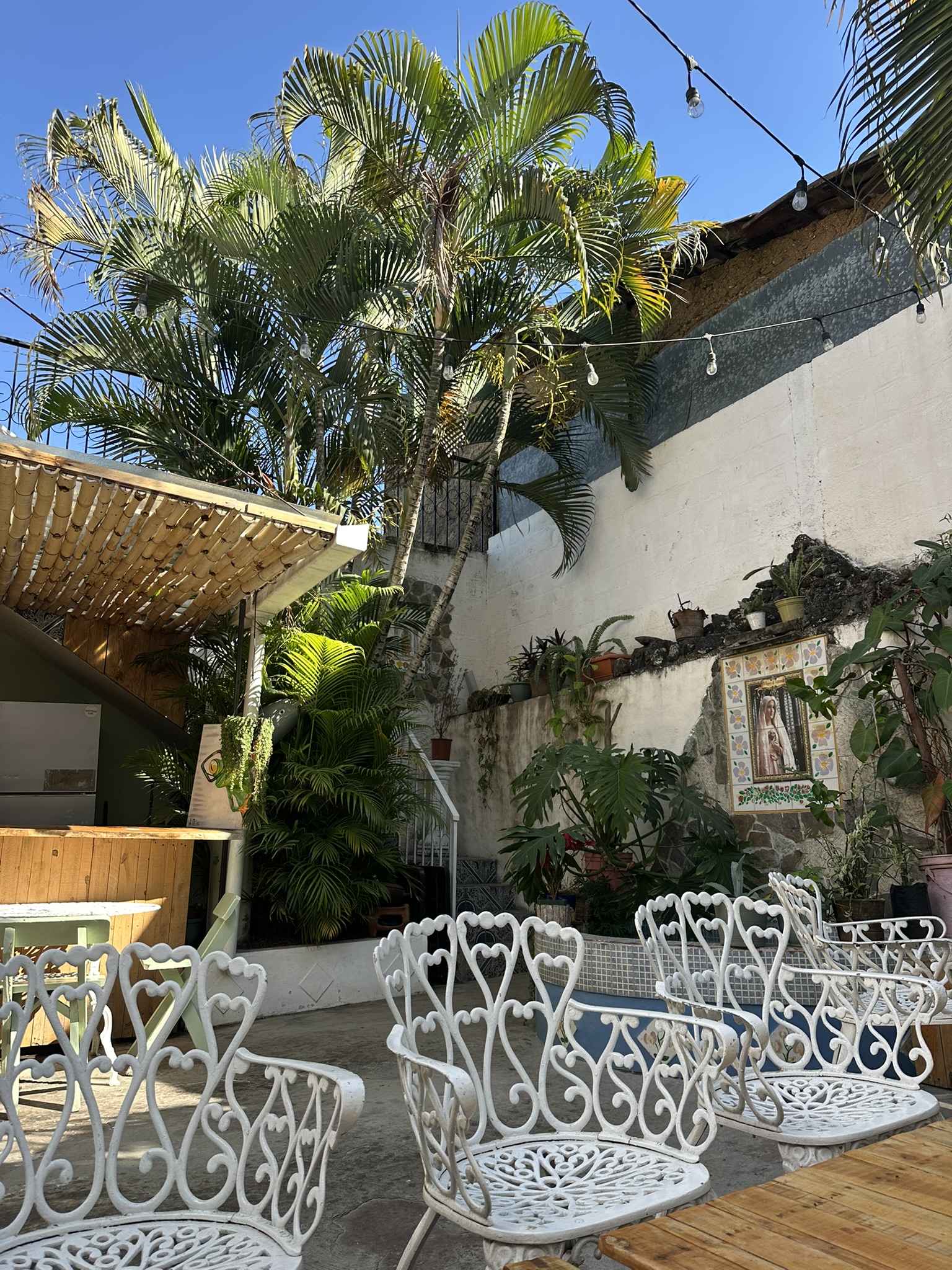
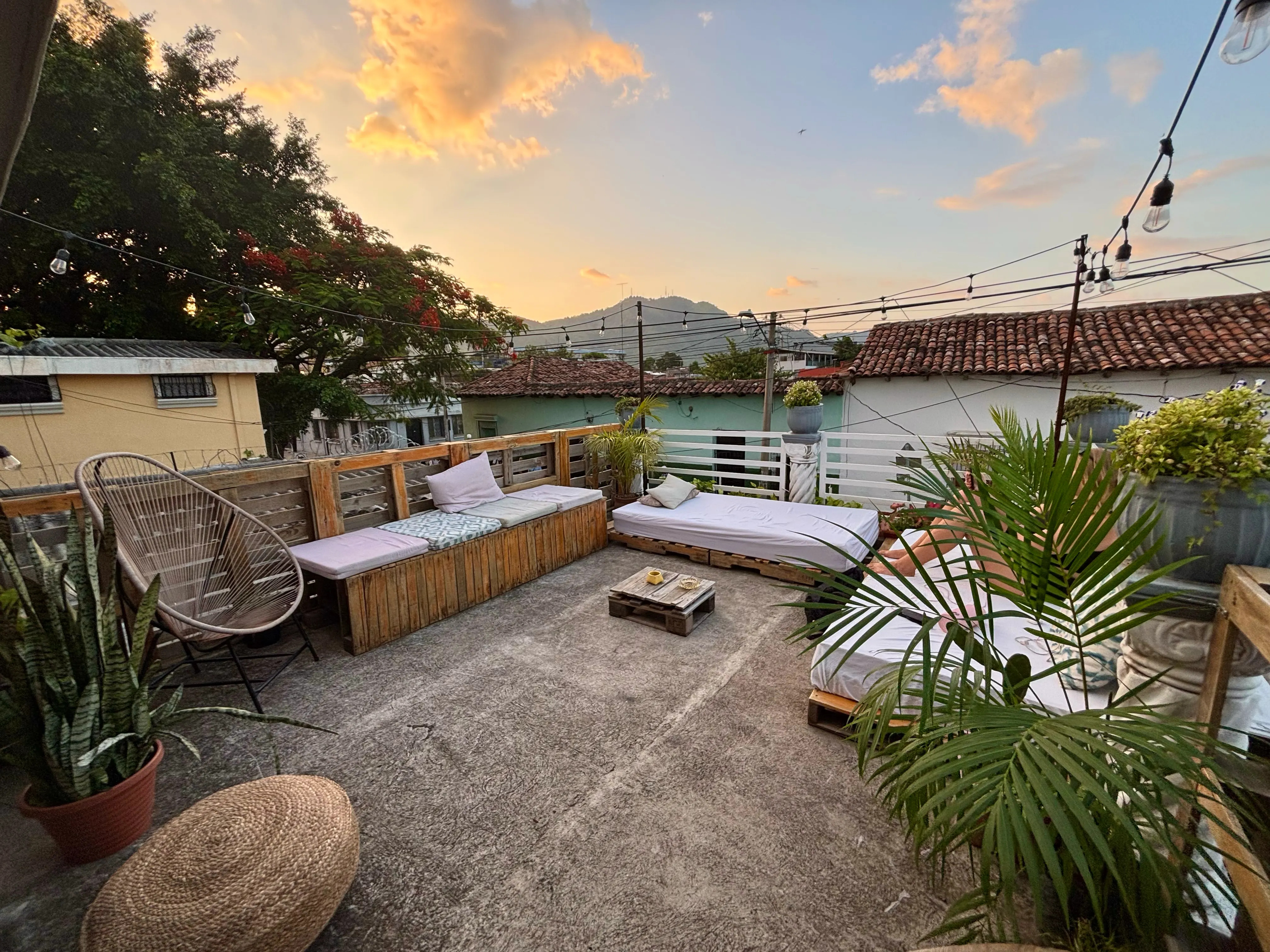
Casa Coco — I stayed here personally and had a wonderful time. Casa Coco is a small hostel with a strong communal vibe. The owner, Yolanda, was very sweet and welcoming. The hostel offered a lot of tours (Santa Ana Volcano and 7 waterfalls) and activities (pupusa making class) all for a fair price.
Rick's Hostel — They have two locations: one in Santa Ana and one in Juayua on Ruta de Las Flores. The hostel offers motorbike rentals for $15 a day. They also have a service where they will transport your bags from one location to another if you want to make the journey between the two cities by motorbike. I ran into the owner (not named Rick!) a couple times on my trip and he was a very friendly guy.