El Salvador Travel Guide with Perfect 10 Day Itinerary
Everything you need to plan a backpacking trip through El Salvador, from volcanoes and colonial towns to surf beaches and hot springs
El Salvador · Itinerary
El Salvador Travel Guide with Perfect 10 Day Itinerary
Everything you need to plan a backpacking trip through El Salvador, from volcanoes and colonial towns to surf beaches and hot springs
El Salvador · Itinerary
El Salvador Travel Guide with Perfect 10 Day Itinerary
Everything you need to plan a backpacking trip through El Salvador, from volcanoes and colonial towns to surf beaches and hot springs
El Salvador · Itinerary
El Salvador Travel Guide with Perfect 10 Day Itinerary
Everything you need to plan a backpacking trip through El Salvador, from volcanoes and colonial towns to surf beaches and hot springs
El Salvador · Itinerary
El Salvador Travel Guide with Perfect 10 Day Itinerary
Everything you need to plan a backpacking trip through El Salvador, from volcanoes and colonial towns to surf beaches and hot springs
El Salvador · Itinerary
El Salvador Travel Guide with Perfect 10 Day Itinerary
Everything you need to plan a backpacking trip through El Salvador, from volcanoes and colonial towns to surf beaches and hot springs
Now is the best time to visit El Salvador! A small country nestled in the highlands of Central America, El Salvador offers stunning waterfalls, volcano hikes, historic colonial towns, great beaches for surfing and (of course) mouth-watering pupusas. It takes less than 5 hours to drive across the country, making everything close and easily accessible. Despite being such a small country, El Salvador packs something for every tourist: outdoor adventure in Santa Ana, rich history in Ruta de las Flores and surfing & nightlife in El Tunco.
In 2022, the President of El Salvador, Nayib Bukele, began harsh crackdowns on gangs, completely transforming the country from the "murder capital of the world" to one of the safest countries in the Western Hemisphere. With the country only recently becoming safe within the last five years, tourism is brand new in El Salvador: it still remains authentic, untouched by mass tourism and extremely affordable even by Central American standards. Tourism is still very much developing, making it a truly unique experience and one of my favorites in Central America. El Salvador is the perfect standalone 1 to 2 week trip, is easily combined with a neighboring country or conveniently fits into a longer Central America backpacking itinerary.
This comprehensive travel guide will provide you with everything I wish I knewbefore going to El Salvador and suggest the ideal 10-day itinerary for exploring the country. If you're looking to do more research, check out the in-depth guides I've written on my El Salvador page covering the best cities and day trips in the country.
What to know before visiting El Salvador
Best Time to Go
Dry season (November to April) is peak season and most recommended; visit in the off-season for fewer tourists and lusher scenery
How Long?
1 week to cover the highlights and 2 weeks for a slower pace to explore thoroughly
Daily Budget
$30 to $50 for budget backpacking and $60 to $90 for mid-range options
Visa Requirements
Visa-free for 90 days for US, EU, UK and Australia. Shares a CA-4 visa agreement with Guatemala, Honduras, and Nicaragua
Getting There
Fly into El Salvador International Airport (SAL) or tourist shuttle from Guatemala, Nicaragua or Honduras
By Car or Bus
Rent a car for flexibility, use Uber, or hop on the extensive network of chicken buses ($0.50 to $2 for most rides)
Currency
Uses the U.S. Dollar (and Bitcoin is widely accepted!). ATMs are widely available and credit cards accepted at major tourist sites
Language
Spanish is the official language and commonly spoken throughout the country. English spoken at tourist locations
Best Time to Go
Dry season (November to April) is peak season and most recommended; visit in the off-season for fewer tourists and lusher scenery
How Long?
1 week to cover the highlights and 2 weeks for a slower pace to explore thoroughly
Daily Budget
$30 to $50 for budget backpacking and $60 to $90 for mid-range options
Visa Requirements
Visa-free for 90 days for US, EU, UK and Australia. Shares a CA-4 visa agreement with Guatemala, Honduras, and Nicaragua
Getting There
Fly into El Salvador International Airport (SAL) or tourist shuttle from Guatemala, Nicaragua or Honduras
By Car or Bus
Rent a car for flexibility, use Uber, or hop on the extensive network of chicken buses ($0.50 to $2 for most rides)
Currency
Uses the U.S. Dollar (and Bitcoin is widely accepted!). ATMs are widely available and credit cards accepted at major tourist sites
Language
Spanish is the official language and commonly spoken throughout the country. English spoken at tourist locations
Best Time to Go
Dry season (November to April) is peak season and most recommended; visit in the off-season for fewer tourists and lusher scenery
How Long?
1 week to cover the highlights and 2 weeks for a slower pace to explore thoroughly
Daily Budget
$30 to $50 for budget backpacking and $60 to $90 for mid-range options
Visa Requirements
Visa-free for 90 days for US, EU, UK and Australia. Shares a CA-4 visa agreement with Guatemala, Honduras, and Nicaragua
Getting There
Fly into El Salvador International Airport (SAL) or tourist shuttle from Guatemala, Nicaragua or Honduras
By Car or Bus
Rent a car for flexibility, use Uber, or hop on the extensive network of chicken buses ($0.50 to $2 for most rides)
Currency
Uses the U.S. Dollar (and Bitcoin is widely accepted!). ATMs are widely available and credit cards accepted at major tourist sites
Language
Spanish is the official language and commonly spoken throughout the country. English spoken at tourist locations
Nov–Apr
Best Time to Go
Dry season (November to April) is peak season and most recommended; visit in the off-season for fewer tourists and lusher scenery
10 days
How Long?
1 week to cover the highlights and 2 weeks for a slower pace to explore thoroughly
$30–$50
Daily Budget
$30 to $50 for budget backpacking and $60 to $90 for mid-range options
90 days
Visa Requirements
Visa-free for 90 days for US, EU, UK and Australia. Shares a CA-4 visa agreement with Guatemala, Honduras, and Nicaragua
SAL
Getting There
Fly into El Salvador International Airport (SAL) or tourist shuttle from Guatemala, Nicaragua or Honduras
$0.50–$2
By Car or Bus
Rent a car for flexibility, use Uber, or hop on the extensive network of chicken buses ($0.50 to $2 for most rides)
US Dollar
Currency
Uses the U.S. Dollar (and Bitcoin is widely accepted!). ATMs are widely available and credit cards accepted at major tourist sites
Spanish
Language
Spanish is the official language and commonly spoken throughout the country. English spoken at tourist locations
Best Time to Go
Dry season (November to April) is peak season and most recommended; visit in the off-season for fewer tourists and lusher scenery
How Long?
1 week to cover the highlights and 2 weeks for a slower pace to explore thoroughly
Daily Budget
$30 to $50 for budget backpacking and $60 to $90 for mid-range options
Visa Requirements
Visa-free for 90 days for US, EU, UK and Australia. Shares a CA-4 visa agreement with Guatemala, Honduras, and Nicaragua
Getting There
Fly into El Salvador International Airport (SAL) or tourist shuttle from Guatemala, Nicaragua or Honduras
By Car or Bus
Rent a car for flexibility, use Uber, or hop on the extensive network of chicken buses ($0.50 to $2 for most rides)
Currency
Uses the U.S. Dollar (and Bitcoin is widely accepted!). ATMs are widely available and credit cards accepted at major tourist sites
Language
Spanish is the official language and commonly spoken throughout the country. English spoken at tourist locations
Nov–Apr
Best Time to Go
Dry season (November to April) is peak season and most recommended; visit in the off-season for fewer tourists and lusher scenery
10 days
How Long?
1 week to cover the highlights and 2 weeks for a slower pace to explore thoroughly
$30–$50
Daily Budget
$30 to $50 for budget backpacking and $60 to $90 for mid-range options
90 days
Visa Requirements
Visa-free for 90 days for US, EU, UK and Australia. Shares a CA-4 visa agreement with Guatemala, Honduras, and Nicaragua
SAL
Getting There
Fly into El Salvador International Airport (SAL) or tourist shuttle from Guatemala, Nicaragua or Honduras
$0.50–$2
By Car or Bus
Rent a car for flexibility, use Uber, or hop on the extensive network of chicken buses ($0.50 to $2 for most rides)
US Dollar
Currency
Uses the U.S. Dollar (and Bitcoin is widely accepted!). ATMs are widely available and credit cards accepted at major tourist sites
Spanish
Language
Spanish is the official language and commonly spoken throughout the country. English spoken at tourist locations
There are many destinations all over the world and even many other options in Central America. So, why go to El Salvador? Although it isn't known for any famous monuments or landmarks, El Salvador packs a surprising amount into such a small country. I came in with relatively low expectations after visiting two of its neighbors (Guatemala and Nicaragua) a few months earlier, but was very pleasantly surprised and El Salvador ended up being one of my favorite experiences in Latin America. Here are some things that really stood out to me:
Authenticity - I can't stress enough how recently tourism opened up in El Salvador with most businesses opening up in 2022 or 2023. Salvadorans are just getting used to seeing tourists and foreigners. There are no massive tourist crowds, plenty of undiscovered attractions and genuinely warm, hospitable people
Variety & Proximity - For a country of its size, El Salvador is unmatched in variety of activities: black-sand beaches, hot spring waterfalls, Mayan ruins and so much more. The well-connected transit system meant it never took more than 2 hours to get to the next location
Authenticity - I can't stress enough how recently tourism opened up in El Salvador with most businesses opening up in 2022 or 2023. Salvadorans are just getting used to seeing tourists and foreigners. There are no massive tourist crowds, plenty of undiscovered attractions and genuinely warm, hospitable people
Variety & Proximity - For a country of its size, El Salvador is unmatched in variety of activities: black-sand beaches, hot spring waterfalls, Mayan ruins and so much more. The well-connected transit system meant it never took more than 2 hours to get to the next location
Authenticity - I can't stress enough how recently tourism opened up in El Salvador with most businesses opening up in 2022 or 2023. Salvadorans are just getting used to seeing tourists and foreigners. There are no massive tourist crowds, plenty of undiscovered attractions and genuinely warm, hospitable people
Variety & Proximity - For a country of its size, El Salvador is unmatched in variety of activities: black-sand beaches, hot spring waterfalls, Mayan ruins and so much more. The well-connected transit system meant it never took more than 2 hours to get to the next location
Affordability - Even compared to its neighbors in Central America, El Salvador is extremely affordable: $0.60 pupusas, $0.75 bus rides, etc… Unlike more popular destinations, there is no tourist tax or fear of getting scammed
Safety - In some ways, this is the main reason to come to El Salvador. I felt safer than in any other location in Latin America to explore freely: wandering around random neighborhoods and having conversations with locals. Society has completely changed within the last few years and it was fascinating learning first-hand how locals feel about it
Affordability - Even compared to its neighbors in Central America, El Salvador is extremely affordable: $0.60 pupusas, $0.75 bus rides, etc… Unlike more popular destinations, there is no tourist tax or fear of getting scammed
Safety - In some ways, this is the main reason to come to El Salvador. I felt safer than in any other location in Latin America to explore freely: wandering around random neighborhoods and having conversations with locals. Society has completely changed within the last few years and it was fascinating learning first-hand how locals feel about it
Affordability - Even compared to its neighbors in Central America, El Salvador is extremely affordable: $0.60 pupusas, $0.75 bus rides, etc… Unlike more popular destinations, there is no tourist tax or fear of getting scammed
Safety - In some ways, this is the main reason to come to El Salvador. I felt safer than in any other location in Latin America to explore freely: wandering around random neighborhoods and having conversations with locals. Society has completely changed within the last few years and it was fascinating learning first-hand how locals feel about it
Top Things to Do
Section 02
Top Things to Do
02Top Things to Do
El Salvador punches well above its weight when it comes to things to do. From active volcanoes to jungle waterfalls to world-class surf breaks, there is something for every type of traveler. Here are three of my personal highlights:
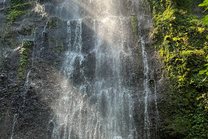
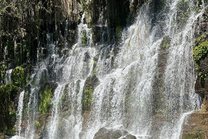
7 Waterfalls Tour in Juayúa — forget standing on an observation deck admiring the view from afar. This 3-hour tour through the Salvadoran jungle has you trekking, swinging on vines, wading through streams and climbing waterfalls up close. It was by far my favorite experience in El Salvador.
Santa Ana Volcano Hike — an active volcano with a vivid turquoise crater lake at the summit, the Santa Ana Volcano (Ilamatepec) is one of the best volcano hikes in Central America. At only $4 for a guide, it is also one of the best value experiences in the country.
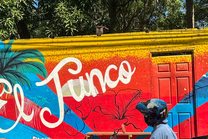
Surf, relax and party in El Tunco — black sand beaches, consistent waves, cold beers and some of the most extraordinary sunsets you'll ever see. Whether you're a seasoned surfer or just looking to unwind, El Tunco has something for everyone.
7 Waterfalls Tour in Juayúa — forget standing on an observation deck admiring the view from afar. This 3-hour tour through the Salvadoran jungle has you trekking, swinging on vines, wading through streams and climbing waterfalls up close. It was by far my favorite experience in El Salvador.
Santa Ana Volcano Hike — an active volcano with a vivid turquoise crater lake at the summit, the Santa Ana Volcano (Ilamatepec) is one of the best volcano hikes in Central America. At only $4 for a guide, it is also one of the best value experiences in the country.
Surf, relax and party in El Tunco — black sand beaches, consistent waves, cold beers and some of the most extraordinary sunsets you'll ever see. Whether you're a seasoned surfer or just looking to unwind, El Tunco has something for everyone.
7 Waterfalls Tour in Juayúa — forget standing on an observation deck admiring the view from afar. This 3-hour tour through the Salvadoran jungle has you trekking, swinging on vines, wading through streams and climbing waterfalls up close. It was by far my favorite experience in El Salvador.
Santa Ana Volcano Hike — an active volcano with a vivid turquoise crater lake at the summit, the Santa Ana Volcano (Ilamatepec) is one of the best volcano hikes in Central America. At only $4 for a guide, it is also one of the best value experiences in the country.
Surf, relax and party in El Tunco — black sand beaches, consistent waves, cold beers and some of the most extraordinary sunsets you'll ever see. Whether you're a seasoned surfer or just looking to unwind, El Tunco has something for everyone.
For more inspiration, check out my full article on the Top 10 Things to Do in El Salvador, covering the best activities, day trips and hidden gems across the country.
The Route: Suggested 10 Day Itinerary
Section 03
The Route: Suggested 10 Day Itinerary
03The Route: Suggested 10 Day Itinerary
Within just 10 days, you can explore the main highlights of El Salvador. Given that you can drive from end-to-end of El Salvador in just 5 hours, transport times will be short, so you can spend more time enjoying the diverse range of activities that the country has to offer. I went for 10 days myself in early 2026 and it felt like the right amount of time without feeling too rushed. You can easily add on more time to this itinerary by spending more time surfing in El Tunco or relaxing on the beach.
The itinerary below aims to provide inspiration for your next trip to El Salvador. I've written detailed guides about many of these places which I've also linked below.
Suggested Route Overview
1
Land in San Salvador and Explore the Nation's Capital
Day 1
Land in San Salvador and Explore the Nation's Capital
Land at SAL, grab the bus or Uber into the city. Check into your accommodation in the Zona Rosa or San Benito neighborhood. Both great places for you to get situated in the country as they are safe, walkable and well-stocked with places to eat. Walk down to Plaza Barrios and the neoclassical Catedral Metropolitana. Learn about the country's recent history and enjoy your first pupusas in the country.
2–4
Santa Ana & The Volcano
Day 2–4
Santa Ana & The Volcano
Head west to Santa Ana (about 1.5 hours, ~$1.50 for the bus ride). From here, hike to the summit of Santa Ana Volcano (Ilamatepec), one of the best volcano hikes in Central America. After a tough hike, spend the afternoon relaxing at Lago Coatepeque, a stunning turquoise crater lake nearby.
On your second day in Santa Ana, explore Parque Libertad and take Hector's Walking Tour to learn about how life in El Salvador has changed. If you have some extra time, make your way to El Salto de Malacatiupán, the special hotspring waterfalls or the nearby Mayan ruins of Tazumal.
5–6
Ruta de las Flores
Day 5–6
Ruta de las Flores
Next is the scenic mountain route connecting a string of small historic colonial towns: Nahuizalco, Salcoatitán, Juayúa, Apaneca, and Ataco, each with its own character. Spend a day exploring the towns: Juayúa hosts a famous food festival every weekend. Ataco has the most vibrant murals and craft shops.
Don't miss my favorite activity in all of El Salvador, the 7 Waterfalls Hike, for a day of adventure and some of the most impressive waterfalls in Central America.
7–8
El Tunco
Day 7–8
El Tunco
After a few days in the mountains, head south to the coast. El Tunco is the backpacker surf hub: black sand beach, consistent waves and vibrant nightlife. Spend a couple of days here doing the three main activities in El Tunco: surfing, partying and watching extraordinary sunsets.
8–10
Playa Shalpa
Day 8–10
Playa Shalpa
Following a couple of hectic days in El Tunco, make your way less than an hour up the coast to the off-the-grid paradise of Playa Shalpa. Relax on the beach or decompress by the pool with a cold drink in hand and enjoy the serene, isolated energy of the area.
Your time in El Salvador shouldn't be limited by my experience. There's plenty more to discover beyond what I covered. Here are some other activities worth considering. I've included some links to help you research further:
Suchitoto — a beautifully preserved colonial town perched above Lago Suchitlán, perfect for a day trip from San Salvador
Conchagua Volcano Camping — a volcano in eastern El Salvador offering camping and boat tours where you can watch the sun rise over the Gulf of Fonseca overlooking El Salvador, Nicaragua and Honduras
Parque Nacional El Imposible — El Salvador's largest national park, home to dense jungle trails, rare wildlife and dramatic river gorges
Cerro Verde National Park — a lush cloud forest near Santa Ana with hiking trails, volcano views and incredible birdwatching
Joya de Cerén — often called the Pompeii of the Americas, a UNESCO-listed pre-Columbian village remarkably preserved under volcanic ash
Suchitoto — a beautifully preserved colonial town perched above Lago Suchitlán, perfect for a day trip from San Salvador
Conchagua Volcano Camping — a volcano in eastern El Salvador offering camping and boat tours where you can watch the sun rise over the Gulf of Fonseca overlooking El Salvador, Nicaragua and Honduras
Parque Nacional El Imposible — El Salvador's largest national park, home to dense jungle trails, rare wildlife and dramatic river gorges
Cerro Verde National Park — a lush cloud forest near Santa Ana with hiking trails, volcano views and incredible birdwatching
Joya de Cerén — often called the Pompeii of the Americas, a UNESCO-listed pre-Columbian village remarkably preserved under volcanic ash
Suchitoto — a beautifully preserved colonial town perched above Lago Suchitlán, perfect for a day trip from San Salvador
Conchagua Volcano Camping — a volcano in eastern El Salvador offering camping and boat tours where you can watch the sun rise over the Gulf of Fonseca overlooking El Salvador, Nicaragua and Honduras
Parque Nacional El Imposible — El Salvador's largest national park, home to dense jungle trails, rare wildlife and dramatic river gorges
Cerro Verde National Park — a lush cloud forest near Santa Ana with hiking trails, volcano views and incredible birdwatching
Joya de Cerén — often called the Pompeii of the Americas, a UNESCO-listed pre-Columbian village remarkably preserved under volcanic ash
When to Visit
Section 04
When to Visit
04When to Visit
The best time to visit El Salvador is during the dry season, which runs from November to April. It is peak season since the skies are clear, the temperature is moderate and the surf is great along the Pacific coast. Keep in mind that the weather will vary throughout the country, with the highlands being significantly cooler than the Pacific Coast. El Salvador does not struggle with overtourism so visiting during peak season is not an issue.
I would not advise traveling during the rainy season (May–October) since the tropical rain can be intense and unpredictable. However, the silver lining is that it will offer more lush green landscapes, roaring waterfalls and far fewer tourists.
Dry SeasonRecommendedNov – Apr
Nov
18–30°C
64–86°F
Dec
17–29°C
63–84°F
Jan
18–31°C
64–88°F
Feb
18–32°C
64–90°F
Mar
19–33°C
66–91°F
Apr
20–34°C
68–93°F
Wet SeasonMay – Oct
May
20–32°C
68–90°F
Jun
20–30°C
68–86°F
Jul
20–29°C
68–84°F
Aug
20–29°C
68–84°F
Sep
19–29°C
66–84°F
Oct
19–29°C
66–84°F
Getting There
Section 05
Getting There
05Getting There
If you're coming from abroad, you're more than likely going to be flying to the El Salvador International Airport (SAL). The airport is conveniently located about 45 minutes south of San Salvador or an hour east of El Tunco. The airport is surprisingly well-connected with direct flights from more than 18 cities in the U.S. and Canada as well as hubs like Houston, Miami, LA, and New York.
If you're coming from a neighboring country, El Salvador is well connected by tourist shuttle from Guatemala, Honduras and Nicaragua. There are many companies offering these international shuttles, but I recommend Gekko Explorer which offers routes almost daily with affordable connections to and from Santa Ana, Ruta de las Flores, El Tunco and San Salvador. These buses can be long, so plan for a travel day if you're looking to use this option.
By Car or Bus
Section 06
By Car or Bus
06By Car or Bus
Once you're in El Salvador, don't be intimidated, getting around is very manageable. First of all, it's a tiny country! You can drive from the western border with Guatemala to the Gulf of Fonseca in the east in just 5 hours. Everything is close, affordable and well-connected.
Rent a car or motorcycle — Roads are newer and in good condition, especially compared to elsewhere in Central America. Salvadorans are generally safe drivers; just watch out for those chicken buses! Great option if you want the flexibility to explore at your own pace
Chicken Bus — Anyone who has traveled around Central America will be familiar with the infamous Chicken Bus! Dubbed the "Chicken Bus" for the occasional live chicken running around, they are a great way to get around and to experience local culture in themselves. At only $0.50–$2 per ride, these retrofitted old American school buses are the locals' choice of transportation since they are cheap, convenient and run everywhere. CentroCoasting is the best resource for schedules
Rideshare — Uber and inDrive are widely available throughout El Salvador, especially in larger cities, making them a convenient option if you're short on time or traveling with luggage
Private shuttles / driver — For more comfort and flexibility, private shuttles are bookable through most hostels and worth it if you value convenience. Inter-city trips will run $10–$20 per person and a daily driver will cost significantly more
Rent a car or motorcycle — Roads are newer and in good condition, especially compared to elsewhere in Central America. Salvadorans are generally safe drivers; just watch out for those chicken buses! Great option if you want the flexibility to explore at your own pace
Chicken Bus — Anyone who has traveled around Central America will be familiar with the infamous Chicken Bus! Dubbed the "Chicken Bus" for the occasional live chicken running around, they are a great way to get around and to experience local culture in themselves. At only $0.50–$2 per ride, these retrofitted old American school buses are the locals' choice of transportation since they are cheap, convenient and run everywhere. CentroCoasting is the best resource for schedules
Rideshare — Uber and inDrive are widely available throughout El Salvador, especially in larger cities, making them a convenient option if you're short on time or traveling with luggage
Private shuttles / driver — For more comfort and flexibility, private shuttles are bookable through most hostels and worth it if you value convenience. Inter-city trips will run $10–$20 per person and a daily driver will cost significantly more
Rent a car or motorcycle — Roads are newer and in good condition, especially compared to elsewhere in Central America. Salvadorans are generally safe drivers; just watch out for those chicken buses! Great option if you want the flexibility to explore at your own pace
Chicken Bus — Anyone who has traveled around Central America will be familiar with the infamous Chicken Bus! Dubbed the "Chicken Bus" for the occasional live chicken running around, they are a great way to get around and to experience local culture in themselves. At only $0.50–$2 per ride, these retrofitted old American school buses are the locals' choice of transportation since they are cheap, convenient and run everywhere. CentroCoasting is the best resource for schedules
Rideshare — Uber and inDrive are widely available throughout El Salvador, especially in larger cities, making them a convenient option if you're short on time or traveling with luggage
Private shuttles / driver — For more comfort and flexibility, private shuttles are bookable through most hostels and worth it if you value convenience. Inter-city trips will run $10–$20 per person and a daily driver will cost significantly more
Budget Breakdown
Section 07
Budget Breakdown
07Budget Breakdown
El Salvador is one of the more affordable destinations in Central America. If you're on a tight budget, Pupusas (the national dish) will be your friend. They generally cost less than $1 and are absolutely worth eating at every opportunity. Keep an eye out for comedores or fondas which are family-run restaurants where you can get a filling meal complete with meat, rice, beans and a tortilla for about $5.
Budget travelers can get by on $30 to $60 per day covering a hostel dorm, local food and chicken buses. If you have a bit more to spend, it is extremely easy to travel very comfortably for a fraction of what you'd spend back home. This means staying at hotels and Airbnbs, taking Ubers instead of buses and eating at a mix of local and western restaurants. A mid-range traveler should expect to spend $70 to $120 per day.
Category
Backpacker
Mid-range
Accommodation
$10 – $20
Hostel dorm
$35 – $55
Private room or hotel
Food
$8 – $12
Pupusas & street stalls
$15 – $25
Sit-down restaurants
Transport
$3 – $5
Chicken buses
$10 – $20
Uber & taxis
Activities
$5 – $10
Entry fees
$10 – $20
Guided tours
Category
Backpacker
Mid-range
Accommodation
$10 – $20
Hostel dorm
$35 – $55
Private room or hotel
Food
$8 – $12
Pupusas & street stalls
$15 – $25
Sit-down restaurants
Transport
$3 – $5
Chicken buses
$10 – $20
Uber & taxis
Activities
$5 – $10
Entry fees
$10 – $20
Guided tours
Backpacker
$30 – $60
per day
AccommodationHostel dorm$10 – $20
FoodPupusas & street stalls$8 – $12
TransportChicken buses$3 – $5
ActivitiesEntry fees$5 – $10
Mid-range
$70 – $120
per day
AccommodationPrivate room or hotel$35 – $55
FoodSit-down restaurants$15 – $25
TransportUber & taxis$10 – $20
ActivitiesGuided tours$10 – $20
BackpackerMid-range
AccommodationHostel dorm$10 – $20Private room or hotel$35 – $55
FoodPupusas & street stalls$8 – $12Sit-down restaurants$15 – $25
The number one question about tourism in El Salvador is about safety, so it's important to address it. No doubt, the country has long had a notorious reputation for gangs and being the “murder capital of the world” even as recently as 2021. Due to the recent president’s harsh crackdown on gangs starting in 2022, crime rates have fallen sharply and daily life has completely changed in El Salvador. The country has recently become one of the safest countries in the Western Hemisphere (and even safer than France and Sweden). It was eye-opening to learn about how these changes in safety have impacted regular citizens who have lived in high crime areas for decades as well as the controversy surrounding the President's heavy-handed policies.
As a tourist, I felt perfectly safe during my time in El Salvador. I even felt comfortable enough to walk around at night, a feeling that I didn't always have in neighboring countries like Guatemala or Nicaragua. That said, it's still worth following basic traveler safety guidelines: avoid showing flashy jewelry or gear, stick to well-lit routes after dark and exercise common sense.
Visa Requirements
Section 09
Visa Requirements
09Visa Requirements
Citizens of the U.S., Canada, the European Union, U.K., and Australia can visit El Salvador visa-free for up to 90 days.
El Salvador is part of the Central America (CA-4) agreement with Guatemala, Honduras, and Nicaragua. This means your 90-day allowance applies across all four countries. If you plan to visit multiple CA-4 countries, make sure you don't exceed this allowance or look into applying for a longer-term visa.
Currency
Section 10
Currency
10Currency
El Salvador removed its own currency called the Salvadoran Colón in 2001 and now uses the U.S. Dollar (USD) as its official currency. Make sure to always keep cash on hand as it is widely used. I found that credit cards were only accepted in touristy areas or higher-end establishments. As an American, it was the first country I'd been to that uses USD as the official currency. Salvadorans also use a lot of American coins that I barely see in the U.S. anymore.
Fun fact: Bitcoin has also been legal tender since 2021. The government set up the Chivo Wallet app and even gave everyone who signed up $30 to boost adoption of their second official currency. In practice, I didn't see Salvadorans actually use Bitcoin. However, it was accepted at a number of businesses in El Tunco and there were also many Bitcoin ATMs around town.
Language
Section 11
Language
11Language
As with most Latin American countries, Spanish is the official language and is spoken throughout El Salvador. Given that the country has only recently opened up to tourism, fewer people speak English than in other Central American countries, including some tour guides and hostel workers.
Don't worry! You won't have any major issues getting around without knowing fluent Spanish. The Salvadorans I met were very kind and patient. It is a great opportunity to practice your Spanish and brush up on your Duolingo - learning a few basic Spanish phrases will go a long way.
Last updated: March 2026 · Based on firsthand experience


 Europe
 Americas
 Asia
Asia Africa
 Oceania